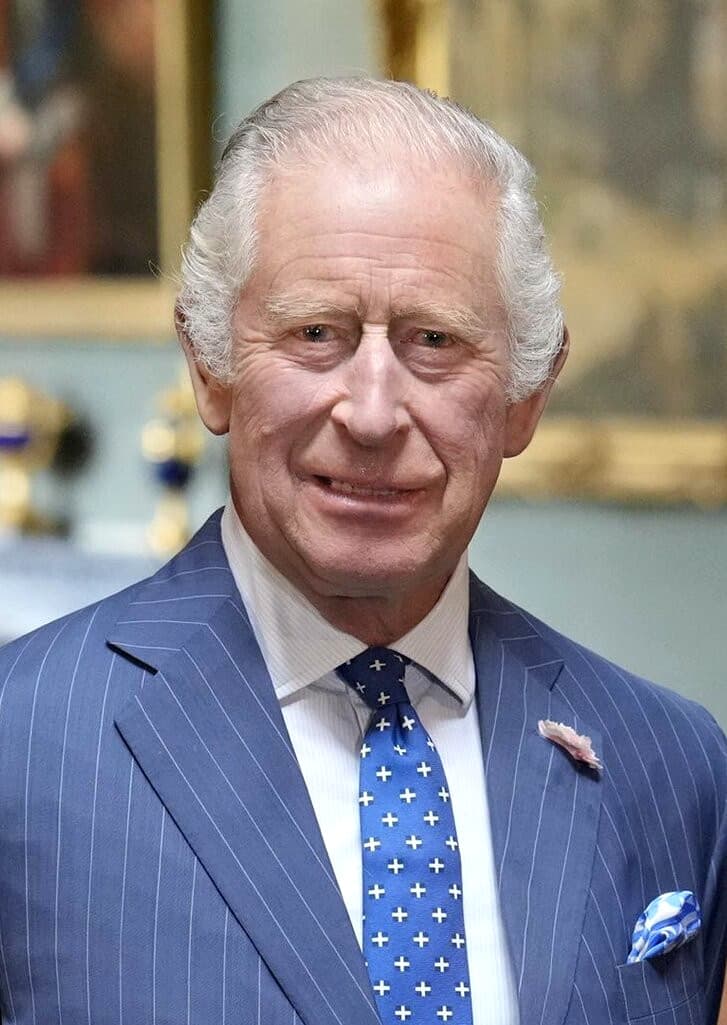
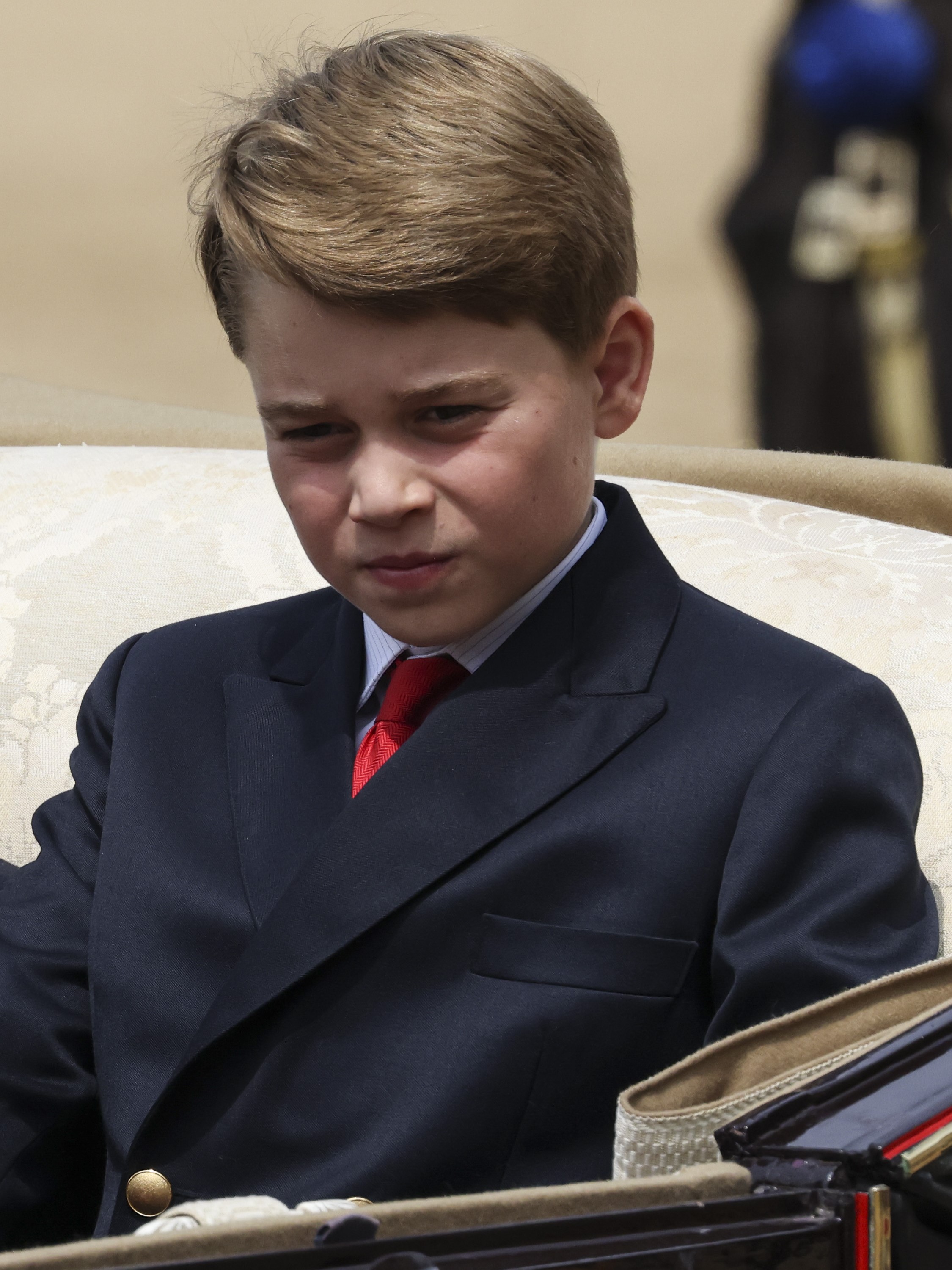
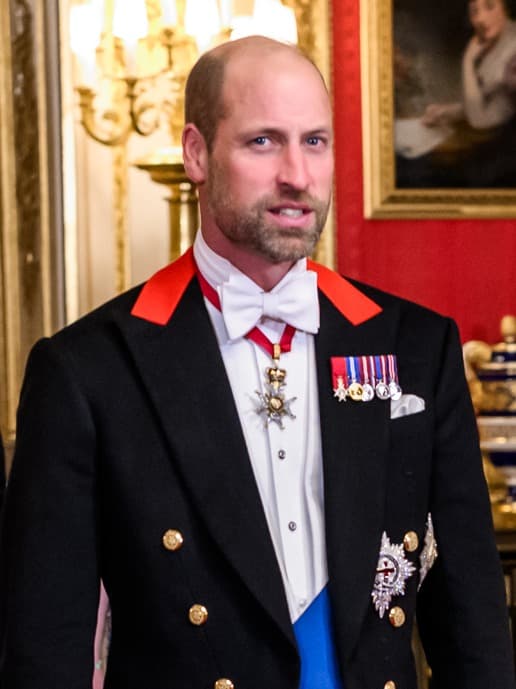
The short answer: after King Charles III comes Prince William, then William's three children in birth order — George, Charlotte, then Louis.
Here's the full order, and the 2013 law change that makes Charlotte's position different from what it would have been a generation ago.
The Line of Succession in Order
The first several places:
Advertisement
Prince William, Prince of Wales — the King's eldest son
Prince George of Wales — William's eldest child
Princess Charlotte of Wales — William's second child
Prince Louis of Wales — William's third child
Prince Harry, Duke of Sussex — the King's second son
Prince Archie of Sussex — Harry's eldest child
Princess Lilibet of Sussex — Harry's second child
Prince Andrew, Duke of York — the King's younger brother
The pattern is straightforward once you see it: the line follows a person's own descendants completely before moving to their siblings. William's entire family comes before Harry, and Harry's entire family comes before Andrew.
This is why Harry moved from third to fifth as William's children were born. Nothing was taken from him — the queue simply grew ahead of him.
The 2013 Law That Changed Everything
For centuries the rule was male-preference primogeniture: sons jumped ahead of their older sisters. A younger brother born after a princess would leapfrog her automatically.
The Succession to the Crown Act 2013 ended that for anyone born after 28 October 2011. Birth order now decides, regardless of sex.
Advertisement
Princess Charlotte is the clearest beneficiary. Born in 2015, she sits fourth — ahead of her younger brother Louis. Under the old rules Louis would have overtaken her the moment he was born in 2018.
She is the first British princess in history to keep her place ahead of a younger brother.
The same Act also removed the bar on marrying a Roman Catholic, though the monarch themselves must still be in communion with the Church of England — the sovereign is Supreme Governor of that church, so the two roles are tied together.
Why Harry's Children Are Still in Line
A common misunderstanding: stepping back from royal duties does not remove you from the succession.
Prince Harry and his children Archie and Lilibet remain in the line despite the family no longer working as senior royals. Succession is determined by birth and law, not by job title or residence.
Removing someone from the line of succession would require an Act of Parliament — and, because of shared-crown arrangements, agreement from the other Commonwealth realms where the monarch is head of state. It is a constitutional process, not a family decision.
Much longer than most people expect. The official line runs well past the first dozen names, through the King's siblings and their descendants, then outward through cousins.
People far down the list are ordinary members of the public with jobs unrelated to the monarchy. The practical relevance drops off almost immediately — beyond the first handful, the odds of ever succeeding are effectively nil.
What the length does provide is continuity. The Crown never sits vacant. The moment a monarch dies the successor is sovereign instantly — which is the origin of the phrase "the King is dead, long live the King." No gap, no interregnum, no ceremony required to make it happen. The coronation is a public confirmation months later, not the moment power transfers.
What Happens Next
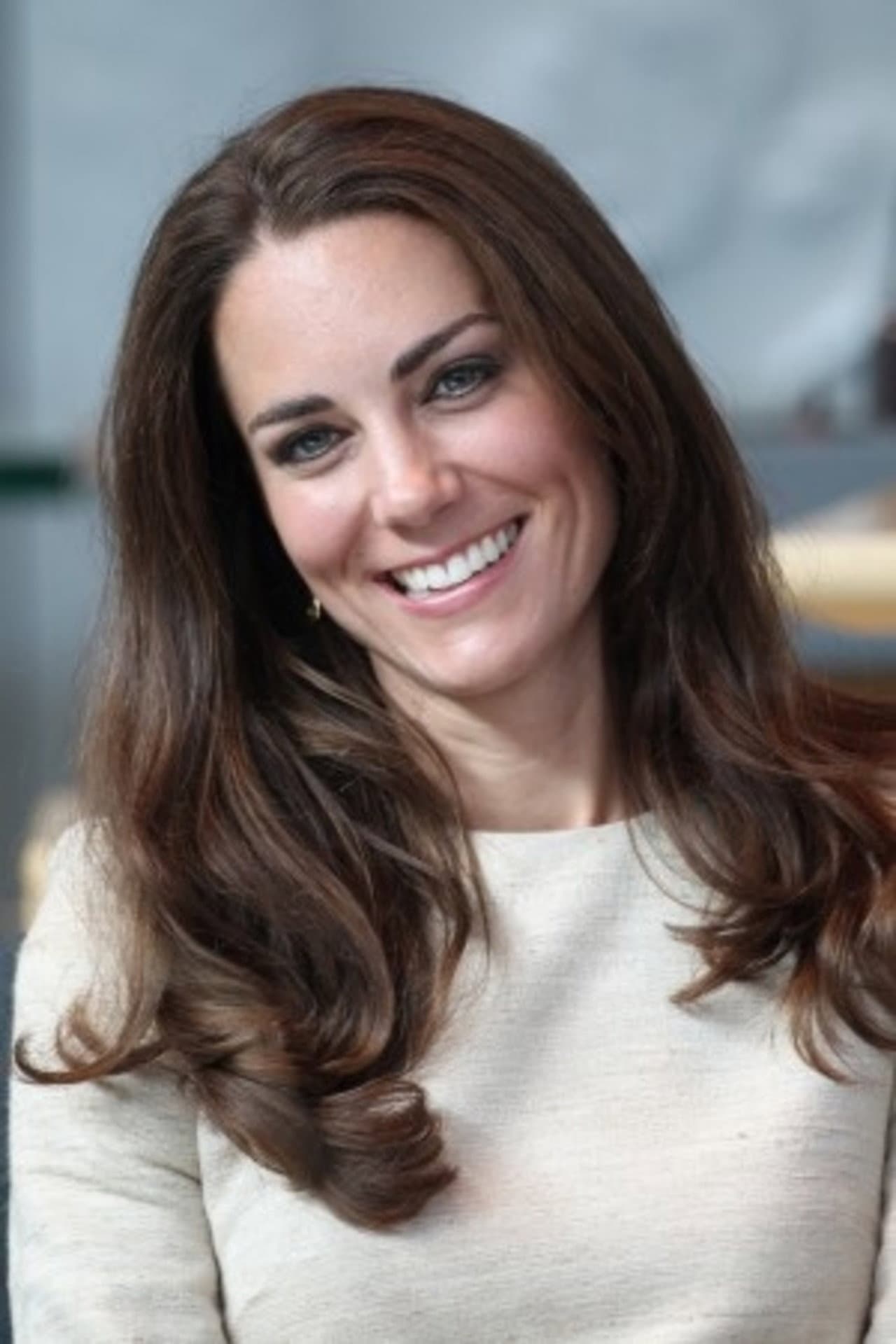
When William becomes King, Catherine becomes Queen — as the wife of a reigning king, she takes the title Queen Consort, without the powers of a monarch in her own right.
Prince George would then become heir apparent, and would in time take the title Prince of Wales, which is granted by the monarch rather than inherited automatically.
Three things worth watching in the meantime:
How George is prepared. Public appearances have been carefully rationed, and the pace at which that changes signals a lot.
Whether the working royal list shrinks. William has reportedly favoured a smaller, more focused monarchy.
How often William deputises. The frequency of stand-in engagements is the clearest available signal about the transition.