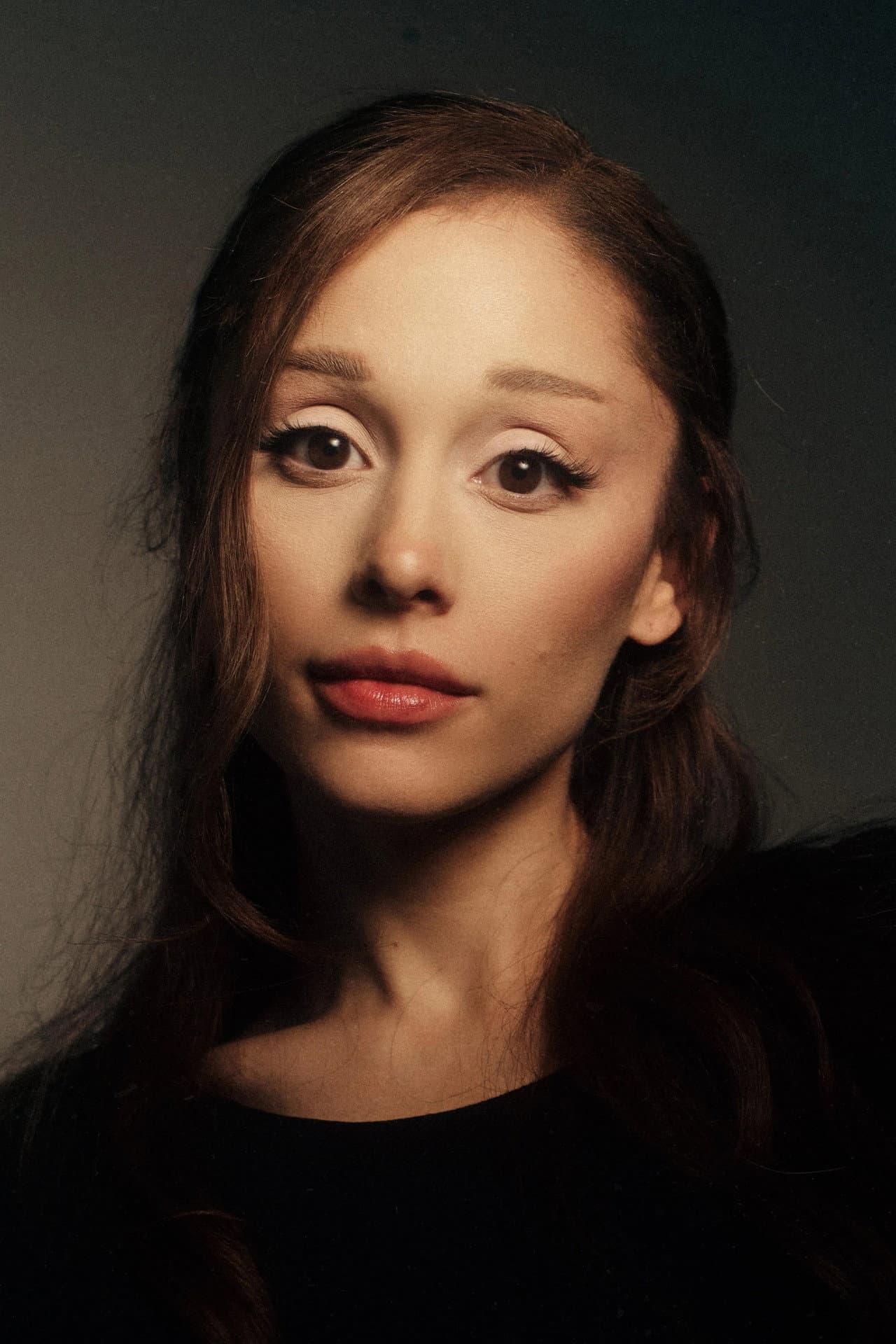
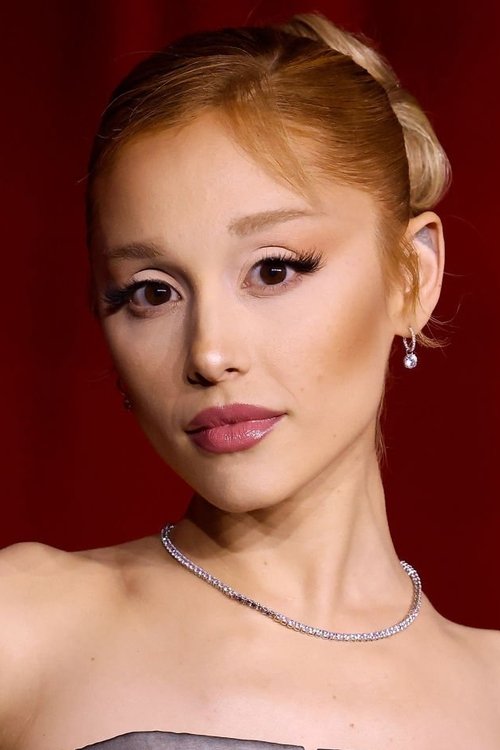
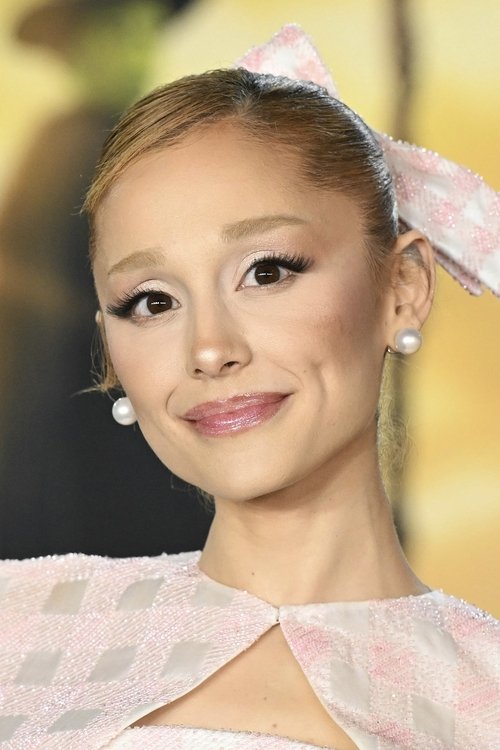
The child-star-to-pop-star pipeline has a catastrophic failure rate. Ariana Grande came through it, stayed on top for over a decade, and then did the thing almost none of them manage — went back to acting and was good at it.
Here's how the career was actually built.
Broadway, Then Nickelodeon
Born 26 June 1993, Grande started in musical theater, appearing on Broadway as a teenager before Nickelodeon cast her in Victorious and then the spin-off Sam & Cat.
Advertisement
The theater background is the detail that explains a lot of what came later. She was trained to perform live, in a room, without production assistance — which is a fundamentally different skill from being developed as a pop product.
The Nickelodeon years gave her an audience and a persona she then had to spend years dismantling. That's the standard trap: the show makes you famous to an audience of children, and the industry struggles to see you as anything else afterwards.
The Voice Is the Whole Argument
What separated her from the rest of the pipeline was straightforward: she could genuinely sing, at a level that made the argument for her.
The four-octave range gets quoted constantly, and range alone is a shallow metric. The more relevant thing is control — the whistle register, the runs, and the ability to reproduce studio-level material live rather than relying on backing tracks.
Advertisement
Her early influences were R&B rather than teen pop, and that shaped the phrasing. She sings behind the beat, uses breath as texture, and builds vocal arrangements in layers — closer to Mariah Carey's tradition than to her Disney and Nickelodeon contemporaries.
That's the reason the transition worked. She wasn't a TV actor attempting music. She was a singer who had been doing television.
The Reinventions
The career splits into distinct eras, and the willingness to break each one is the actual strategy:
Early era — retro-leaning pop, still tethered to the Nickelodeon audience
The pivot — darker, more adult production and a deliberate break with the child-star image
The confessional era — songs written directly out of extremely public personal events, which changed her relationship with the audience entirely
The Wicked era — stepping largely away from pop release cycles to act
Most pop careers find a formula and repeat it until it stops working. Hers has been repeatedly discarded at the point of maximum success, which is a much riskier way to operate and the reason it lasted.
Glinda Was the Hardest Role Available
The skepticism when she was cast in Wicked was loud, and it was based on a misreading of which part is difficult.
Elphaba gets the enormous emotional numbers and the audience's sympathy from the start. Glinda has to be vain, funny and faintly ridiculous for most of the runtime, then deliver real devastation at the end — and make you believe both were the same person all along.
Played too broadly, the ending means nothing. Played too seriously, the comedy dies and the first half sags.
Grande's musical theater training is exactly the right preparation for that, and the physical commitment to the comedy is what makes the later material land. It's the clearest evidence that the Broadway start was never incidental.
The comparison worth drawing is with her own cohort. Most performers from that pipeline either burned out, stayed locked into the original audience, or spent a decade trying to be taken seriously.
Grande avoided that by having a skill that was independently verifiable. You can argue about a persona. You cannot really argue about whether someone can sing.
She has also built substantial business interests around beauty and fragrance rather than relying solely on music revenue — the same convert-fame-into-ownership pattern our Selena Gomez profile traces from an almost identical starting point.
What's Next
Whether she returns to music at scale. The acting run has been a genuine pause rather than a side project.
More film work. Wicked demonstrated she can carry a role in a major production, which opens doors that were previously theoretical.
Touring. Her live show has been absent for a while, and a return would be a significant event.
For more career breakdowns of performers who converted early fame into something durable, see our Sydney Sweeney profile and our Olivia Rodrigo breakdown — another Disney-pipeline artist facing the same third-album test.
Which Ariana era is your favorite? Let us know in the comments.