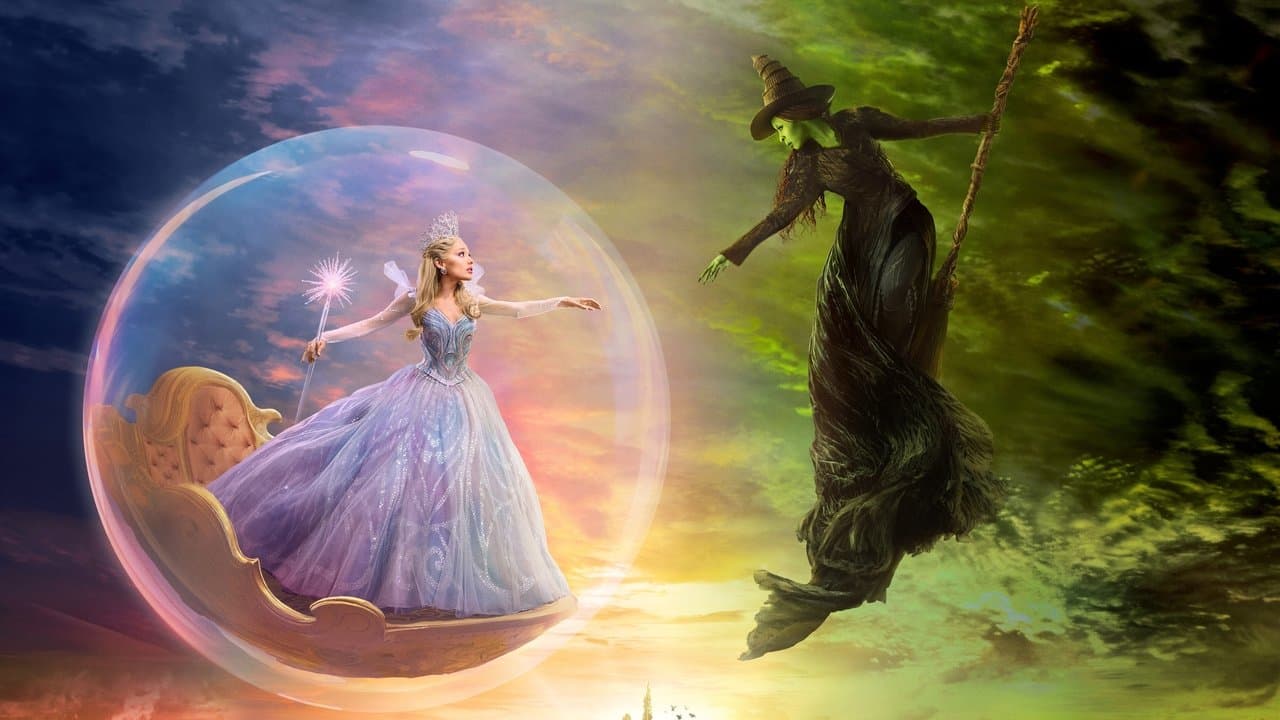
Wicked: For Good is the half of the story where everything the first film set up gets paid off — and where the friendship at its center stops being sweet.
Here's the full cast, what this film actually covers, and why the ending lands harder than most people expect going in.
What Wicked: For Good Is About
The official synopsis: as an angry mob rises against the Wicked Witch, Glinda and Elphaba will need to come together one final time. With their singular friendship now the fulcrum of their futures, they will need to truly see each other — with honesty and empathy — if they are to change themselves, and all of Oz, for good.
Advertisement
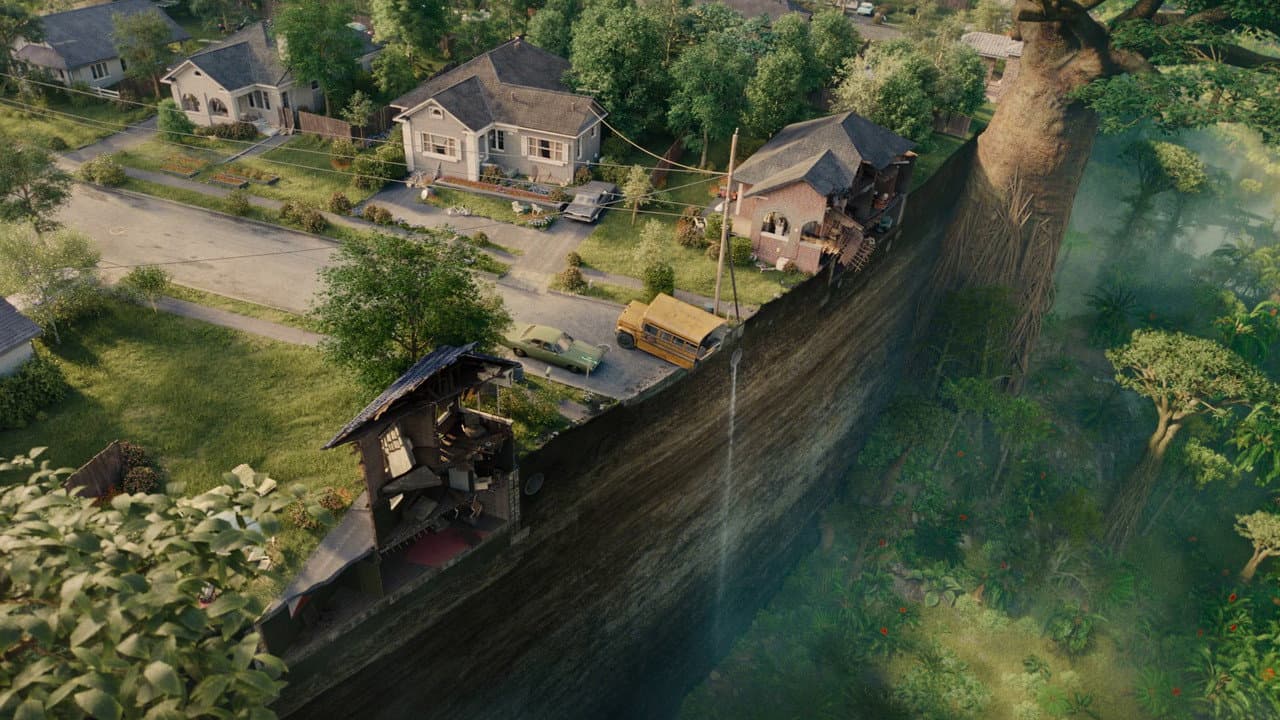
The first film was origin: two students at Shiz, an unlikely friendship, a growing awareness that the Wizard's Oz is built on a lie. It ended with Elphaba refusing to compromise and being branded wicked for it.
For Good is the consequence. Elphaba is now a hunted figure. Glinda has taken the opposite path — working inside a corrupt system, being rewarded for it, and having to live with what that costs.
That divergence is the actual subject. This is not a story about good versus evil. It's about two people who wanted the same thing and chose incompatible methods.
The Cast
Directed by Jon M. Chu, returning from the first film.
Advertisement
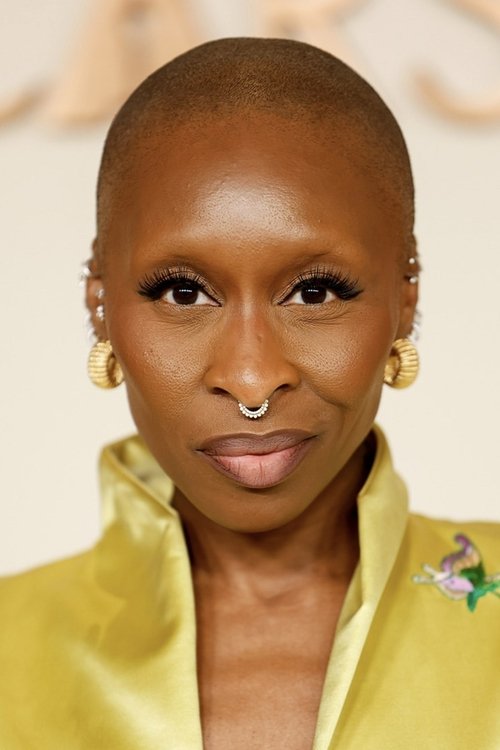
Cynthia Erivo as Elphaba
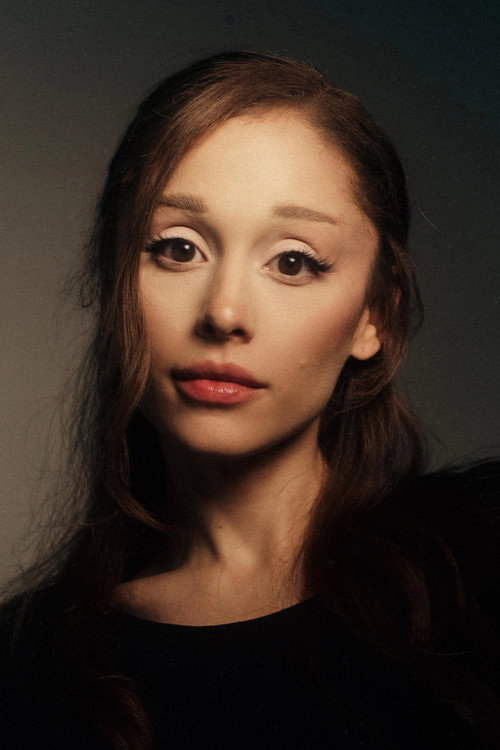
Ariana Grande as Glinda
Jonathan Bailey as Fiyero
Michelle Yeoh as Madame Morrible
Jeff Goldblum as the Wizard
Colman Domingo
Marissa Bode as Nessarose
Ethan Slater as Boq
Cynthia Erivo is the reason the whole thing works. She is a genuine stage performer — a Tony winner — singing live rather than lip-syncing to a studio track, and the difference is audible. Elphaba's songs are punishing to perform and she treats them as acting rather than showcase.
Marissa Bode's casting as Nessarose deserves specific mention. Nessarose is a wheelchair user, and the role was cast with a wheelchair-using actor — the first time in the property's screen history. That changes how the character reads, because the physicality is lived rather than performed.
Ariana Grande's Performance Is the Surprise
The skepticism about Ariana Grande's casting was loud and, in hindsight, misplaced.
Glinda is a much harder role than Elphaba. Elphaba gets the big emotional numbers and the audience's sympathy. Glinda has to be funny, vain and slightly ridiculous for most of the runtime, then land genuine devastation at the end — and make you believe both were always the same person.
Grande plays the comedy with real physical commitment, which is what makes the later material work. If Glinda is only ever charming, the ending means nothing.
In For Good specifically, her arc is the harder one. She gets everything she wanted — status, popularity, the position — and the film asks whether that was worth what it cost.
Why Splitting It in Two Was the Right Call
Splitting a stage musical into two films drew criticism as a commercial move, and it's fair to be skeptical of that instinct generally.
But the structural argument holds here. The stage show's two acts are tonally distinct — the first is comedy and campus rivalry, the second is political and much darker. Compressing both into one film means gutting the first act's character work, which is precisely what makes the second act hurt.
Giving each act room lets the friendship be genuinely established before it fractures. That's the entire emotional mechanism.
What to Watch For
How closely it tracks The Wizard of Oz. This half overlaps directly with the 1939 film's events, seen from the other side. The reframing is the point.
Fiyero's arc. Jonathan Bailey's character takes the sharpest turn in the second act.
Whether Madame Morrible gets her due. Michelle Yeoh's character is the story's real architect, and stage productions vary in how much they let that land.