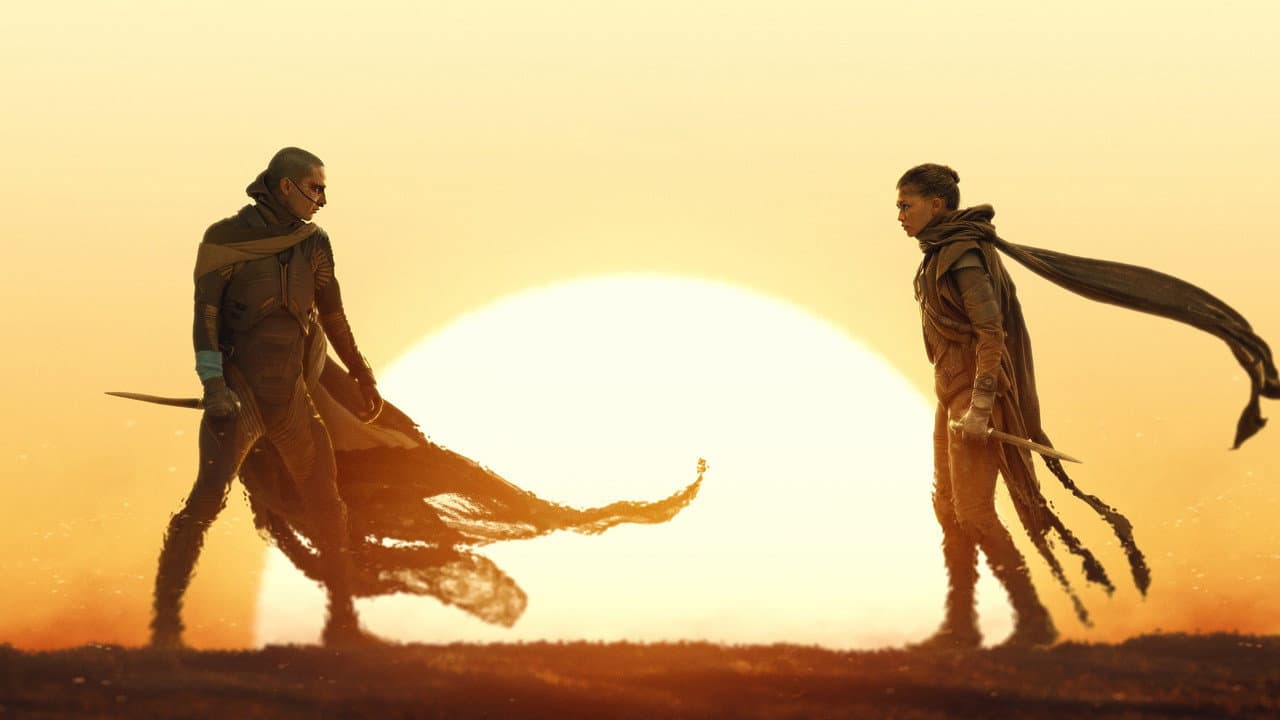
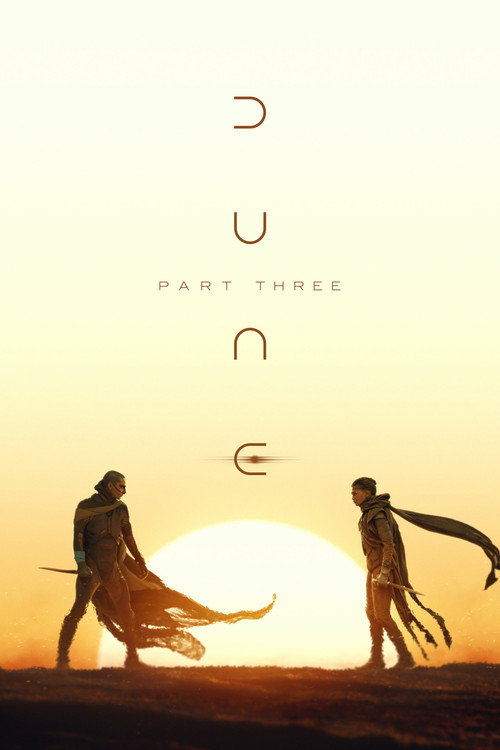
Dune: Part Three is coming — and based on everything confirmed so far, it is going to be the darkest entry in Denis Villeneuve's trilogy by a wide margin.
The official synopsis sets the tone. As Emperor, Paul Atreides grapples with the consequences of his rise to power as political conspiracies and a galaxy-spanning holy war threaten everything he built. This is not a victory lap. Here's everything we know.
What Dune: Part Three Is Actually About
Part Two ended with Paul seizing the Imperial throne and unleashing the Fremen across the galaxy. Part Three picks up the aftermath — and the aftermath is a bloodbath.
Advertisement
The confirmed premise centers on three pressures closing in on Paul at once:
The holy war he started. Paul saw this future and tried to avoid it. He failed. Billions die in his name.
Political conspiracy. The Great Houses, the Bene Gesserit and the Spacing Guild all want him gone.
His own prescience. Seeing every possible future is not a gift in this story. It is a prison.
Villeneuve has been open in interviews that he always saw this as a trilogy, and that the third film was the reason to make the first two. The Dune source material was never a hero's journey — it's a warning about what happens when people follow one.
Timothée Chalamet Returns — and Paul Is Not the Same Character
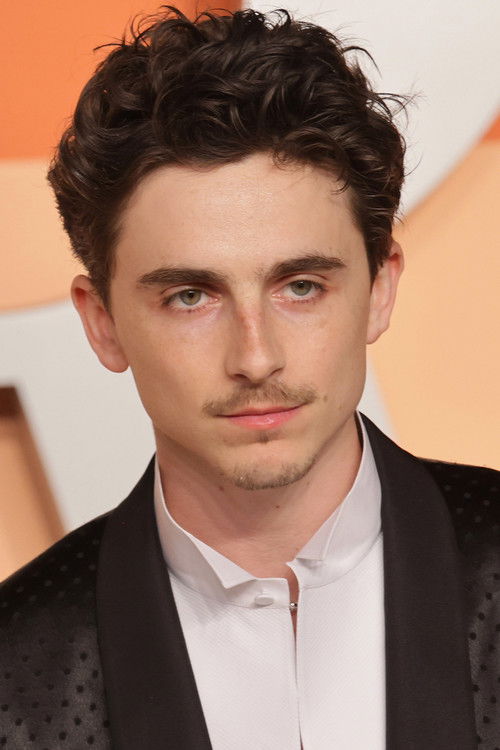
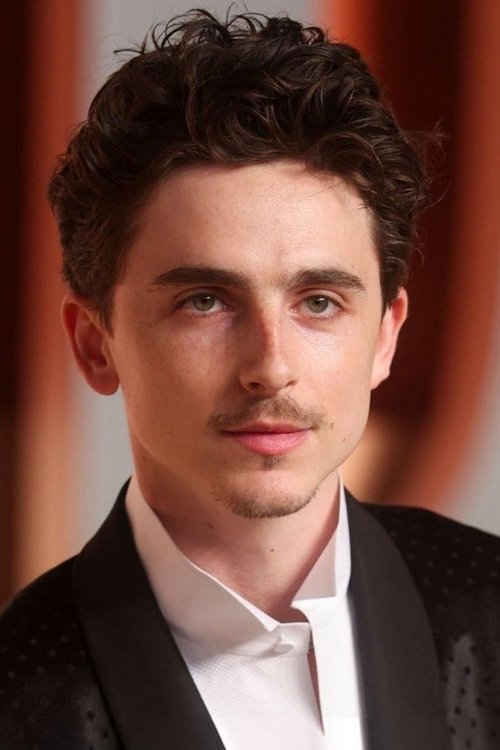
Timothée Chalamet is back as Paul, and the shift in the character is the whole point of the film.
In Part One he was a boy. In Part Two he became a messiah figure — reluctantly, then deliberately. In Part Three he is an emperor presiding over a religious war he cannot stop, played by an actor who has spent two films earning the audience's sympathy.
Advertisement
That sympathy is the trap. Villeneuve has structured the trilogy so audiences root for Paul across two films, then watch what that support actually cost. It's a genuinely unusual thing for a blockbuster franchise to attempt.
Chalamet's casting is central to why it works. He can carry both the vulnerability of the early films and the coldness the role now requires.
The Returning Cast and Who's Joining
The confirmed and expected returning cast includes Zendaya as Chani, Rebecca Ferguson as Lady Jessica, Florence Pugh as Princess Irulan, and Anya Taylor-Joy, whose brief Part Two appearance as Alia was clearly setting up a much larger role.
Chani's position is the most interesting. Part Two ended with her walking away — the one character who saw exactly what Paul was becoming and refused to accept it. Whatever happens between Chani and Paul is likely the emotional core of the film.
Princess Irulan matters too. In the source material she is the narrator of the entire saga, writing the official history of Paul's reign. Pugh being cast in a franchise-defining role suggests Part Three gives her far more to do.
Dune: Part Three is dated for 2026. Warner Bros. has kept the exact release window tight, which is standard for a Villeneuve production — Part Two shifted multiple times before landing.
What's worth noting: Villeneuve does not rush post-production. The visual effects, sound design and score on the first two films were the reason they swept technical categories at awards season. Expect the studio to protect that timeline rather than force a date.
Reportedly, principal photography wrapped on a schedule that gives the effects team a full runway. That's a good sign for quality, and a reason not to expect an early-year release.
Why This Film Matters More Than the First Two
Dune: Part One and Part Two together grossed well over $1 billion worldwide and pulled in a stack of Academy Awards for cinematography, score, sound and visual effects. Commercially, the franchise is secure.
What Part Three has to do is different. It has to land the argument the whole trilogy has been building toward — that charismatic leadership and messianic devotion are dangerous, not aspirational. That's a hard sell in a blockbuster, and the reason Frank Herbert wrote a sequel novel in the first place: readers kept treating Paul as a hero.
Villeneuve is essentially adapting Herbert's own correction to his own book. If it works, it will be one of the most ambitious things a major studio has released this decade.
What to Watch For
Three things will tell you how this film is shaping up before it arrives:
The first trailer's tone. If Warner Bros. markets it as a triumphant conclusion, that's a mismatch with the material. If they lean into the darkness, they're backing Villeneuve's vision.
Chani's screen time. The more Zendaya is featured, the closer the film is tracking to the source material's critique.
Runtime. Part Two ran 166 minutes. A longer Part Three signals the studio gave Villeneuve the room he asked for.