In 2015, a 13-year-old girl from Los Angeles uploaded a song to SoundCloud. It was written and produced by her older brother, recorded in his bedroom, and released with no expectation of anything beyond being heard. Ocean Eyes went quietly viral. Billie Eilish, who had not yet released a single professionally, suddenly had the attention of the music industry.
A decade later, in mid-2026, Billie Eilish holds two Academy Awards, nine Grammy Awards, twenty Guinness World Records, and a discography that spans three studio albums and some of the most critically discussed pop music of the last decade. She is 24 years old. She has spent almost half her life as one of the most famous people on the planet.
Here is the full picture of where Billie Eilish stands right now — her music, her influence, what she has said about the experience of her own fame, and why she remains one of the most genuinely interesting artists working in popular music.
Advertisement
The Career Arc — From Bedroom Demo to Two Oscars
Ocean Eyes (2015) was the beginning. Her debut EP, Don't Smile at Me (2017), was the proof of concept — a young artist with a distinctive aesthetic, a specific emotional register, and a sibling creative partnership that was producing something unlike anything else on pop radio.
Her debut album, When We All Fall Asleep, Where Do We Go? (2019), arrived when Billie was 17 and turned everything up to a different level. It debuted at number one in the US and UK, spawned Bad Guy — which became the first number-one single on the Billboard Hot 100 by an artist born in the 21st century — and, at the 2020 Grammys, won all four general field categories: Record of the Year, Album of the Year, Song of the Year, and Best New Artist. No artist had ever done that in the same year before. Only one has done it since.
The James Bond theme followed. No Time to Die (2020), written and performed with her brother Finneas for the Daniel Craig-led final Bond film, topped the UK Singles Chart and won the Academy Award for Best Original Song at the 2022 ceremony. She was 19. She was the youngest person to win an Oscar at that point in recent memory.
Her second album, Happier Than Ever (2021), charted at number one in 25 countries and represented a deliberate shift — quieter, more confessional, more sonically adventurous than her debut. Critics who had predicted she might not sustain her early commercial peak were proven wrong.
Advertisement
Then came What Was I Made For? — written for Greta Gerwig's Barbie film (2023). The song became a phenomenon of its own, a meditation on identity and purpose that transcended its soundtrack origins and became one of the defining pop songs of 2023. It won her a second Academy Award. She became the first person born in the 21st century to win an Academy Award, and then the first to win it twice.
Hit Me Hard and Soft — Her Most Personal Album
Released in May 2024, Hit Me Hard and Soft was greeted as Billie Eilish's most fully realized work — a record that balanced emotional directness with sonic ambition in a way that felt like an artist fully in control of her own voice for the first time.
The album's critical reception was the best of her career. It spawned two US top-five singles — Lunch, a euphoric track about desire that became one of the most discussed songs of 2024, and Birds of a Feather, which became her first number-one on the Billboard Global 200 chart.
Birds of a Feather, in particular, demonstrated how far Billie had come as a songwriter. Where her earlier work was defined by a specific teenage anxiety and the aesthetic of FINNEAS's production — the whispered intimacy, the carefully constructed creepiness — this was a full-throated romantic song of almost classical emotional simplicity. It proved she could write and perform something universal without sacrificing what makes her voice distinctive.
The album also marked a shift in how she presented herself aesthetically. The baggy-clothes era — a deliberate choice she had spoken about extensively as a way of protecting herself from commentary on her body — gave way to a more expressive visual approach. She spoke in interviews about feeling ready to take up space differently, and the album campaign reflected that.
What She Has Said About Fame
Few artists of her generation have been as consistently candid about the experience of extreme public attention as Billie Eilish. From her early interviews, she spoke with unusual frankness about the disorientation of having her private self become a subject of public interest before she was fully formed as a person.
She has spoken publicly about her Tourette syndrome — a diagnosis she made known at 17. She has talked about body dysmorphia and how the experience of her body being commented on by the public influenced the way she dressed for several years. She has spoken about depression and about the specific loneliness of being surrounded by people as a touring artist while feeling fundamentally unseen.
What distinguishes her in these conversations is that she talks about these experiences without performing vulnerability. There is no PR calculation to it. She says what is true to her and leaves the audience to do what they will with it — which is perhaps why her fanbase, which skews younger than most major pop acts, has such an intense connection to her. She models a kind of honesty that young people find genuinely rare among famous adults.
In 2026, now in her mid-twenties, those conversations have evolved. She speaks less about the difficulty of being young and famous and more about the ongoing work of understanding her own place in an industry she entered before she was ready to understand it fully. The sense is of someone who has survived something and is thinking carefully about what they want to do with what's left.
The Relationship with Her Audience
Billie Eilish's audience is one of the most devoted in contemporary pop. The connection she has with fans goes beyond the normal celebrity parasocial relationship — it is built on the perception, reinforced over many years, that she is genuinely telling the truth about her experience.
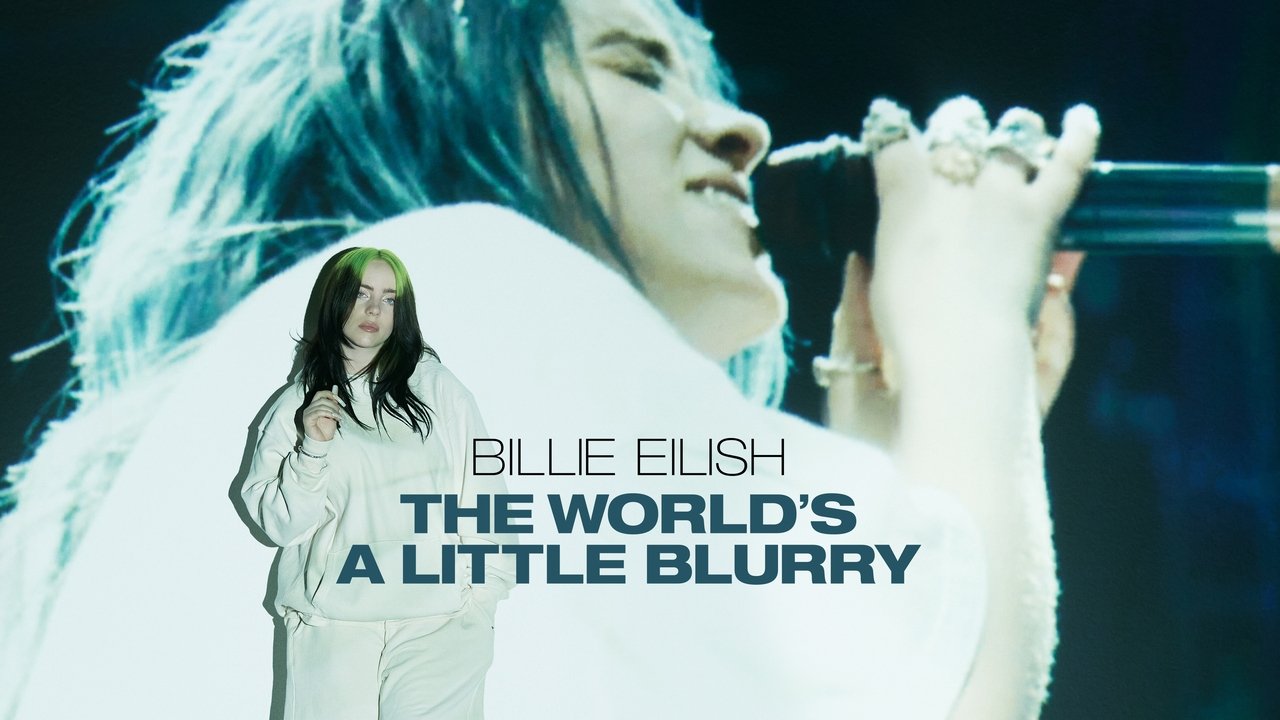
That perception is both real and managed, as all successful artist-audience relationships are. But there is something underneath the management that appears to be genuine. Her documentary, Billie Eilish: The World's a Little Blurry (2021), offered an unusually unmediated look at what it was actually like to be her at the peak of her early career. It was not a flattering image in the conventional promotional sense — it showed exhaustion, emotional complexity, and the texture of a real life being disrupted by extraordinary circumstances. Audiences responded to it precisely because it didn't feel like a product.
Where She Stands in 2026
At 24, Billie Eilish stands in an unusual position in the pop landscape. She is young enough that the bulk of her career almost certainly still lies ahead of her, but established enough that her position in the culture feels permanent rather than contingent on the next release.
She has been open about her ongoing activism — particularly on climate change and women's reproductive rights — and about the fact that she sees those commitments as part of her public role rather than external to it. For a generation of young people whose favorite artists exist on an internet in which pop music and politics are completely inseparable, this is received as authenticity rather than imposition.
Musically, the question is what comes after Hit Me Hard and Soft. Three albums in, Billie Eilish has demonstrated range, growth, and the ability to surprise. She has won every significant award in popular music and two of the most significant awards in cinema. She has done all of this with the same creative partner — her brother Finneas — that she started with in a bedroom in Los Angeles when she was 13.
Whatever she does next will be watched with the kind of attention that most artists never experience and that she has never known anything other than. The question is not whether she will continue to make music that matters. The question — which she has never shown any sign of being afraid of — is what she will choose to say when she does.
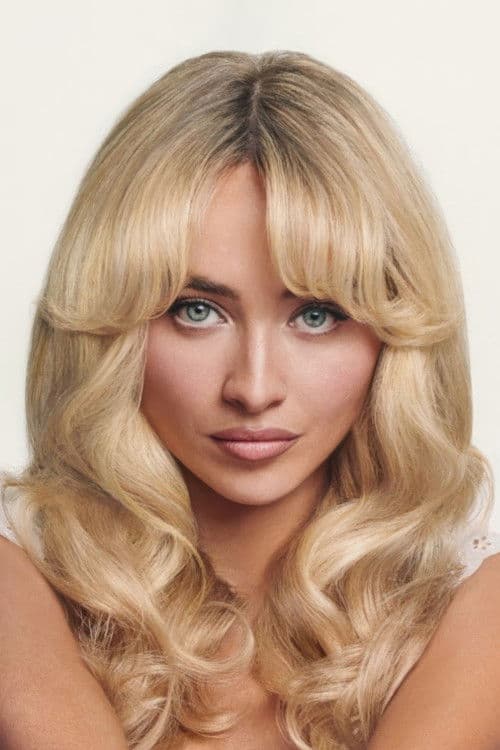
For more music coverage, visit our Music section. For another artist navigating fame on her own terms, read our coverage of Sabrina Carpenter.
Tags
#Billie Eilish#Music#Celebrity#Grammy Awards#Hit Me Hard and Soft#Pop Music#Academy Awards