If Panchayat proved Indian streaming could be quiet, Mirzapur proved it could be brutal — and it got there first.
Here's what it is, why Pankaj Tripathi's Kaleen Bhaiya became a genuine cultural figure, and whether it's worth starting now.
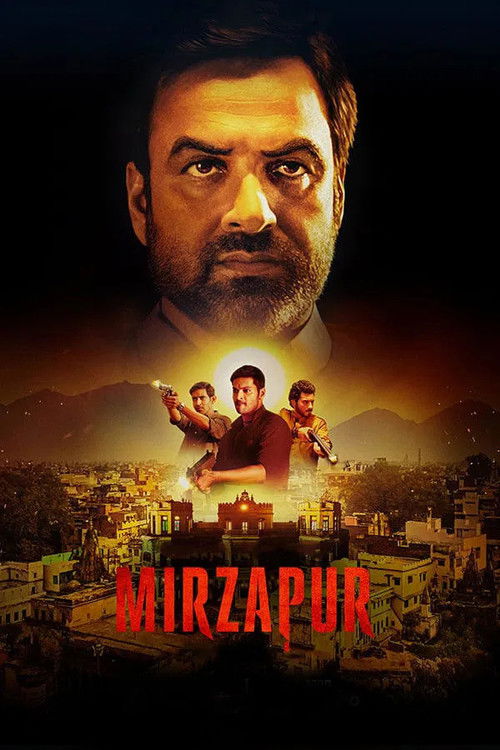
What Mirzapur Is About
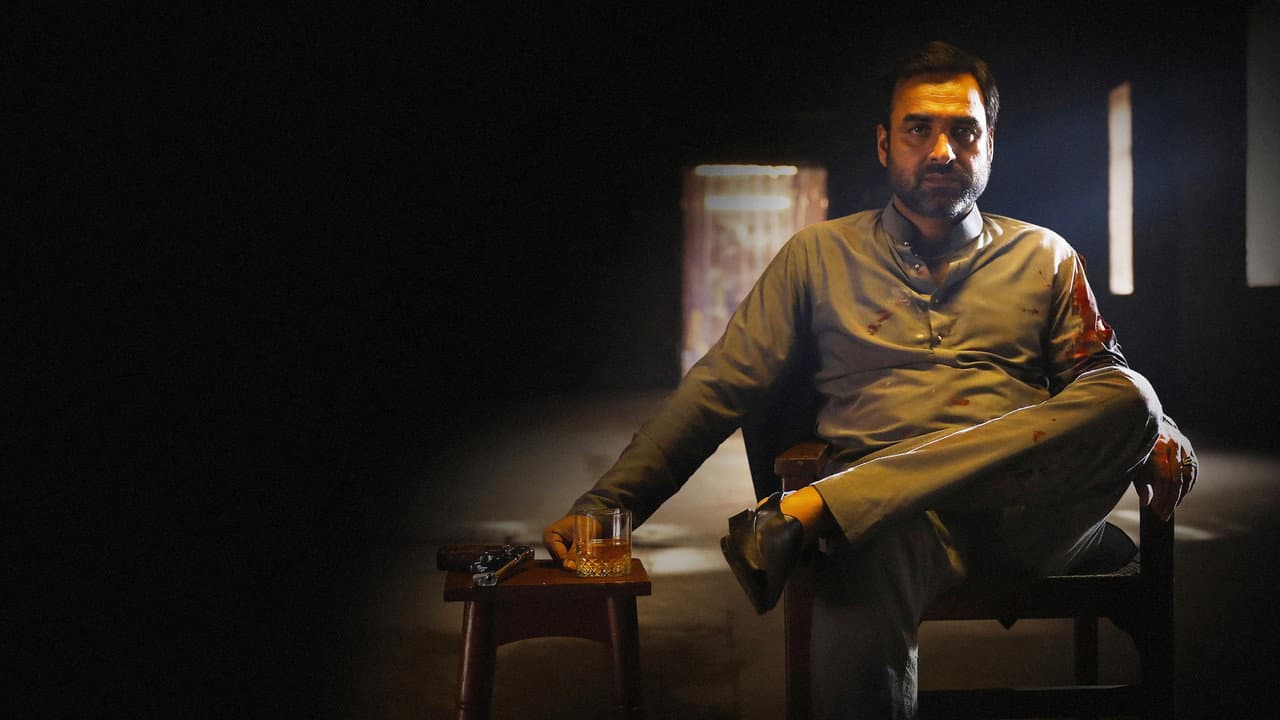
Set in the eastern Uttar Pradesh town of Mirzapur, the series follows Akhandanand Tripathi — known as Kaleen Bhaiya — a carpet exporter whose real business is guns, opium and control of the region.
Advertisement
Two brothers get pulled into his orbit, and what follows is a multi-season power struggle involving family, succession, politics and a great deal of violence.
The setting is the point. This is not Mumbai gangster cinema. It's the small-town north Indian power structure — where crime, caste, local politics and family business are the same thing, and the distinction between a legitimate businessman and a warlord is mostly paperwork.
📺 Prime Video · 3 seasons · Status: Returning Series · TMDB rating: 4/5
Pankaj Tripathi Is Why It Works
Kaleen Bhaiya could have been a standard crime boss. Pankaj Tripathi plays him almost gently — soft-spoken, unhurried, faintly amused — which makes him far more frightening than shouting ever would.
Advertisement
The performance works on a specific insight: real power doesn't need to raise its voice. Tripathi delivers threats in the same register he'd use to offer tea, and the show lets silences run long enough that you watch people around him calculate.
His dialogue became genuinely ubiquitous in Indian internet culture — quoted, memed, used as ringtones. That's the mark of a character who escaped the show.
Supporting him: Ali Fazal as Guddu, Shweta Tripathi Sharma as Golu, Rasika Dugal as Beena, Divyenndu's Munna in earlier seasons, plus Sheeba Chaddha, Rajesh Tailang and Harshita Gaur.
Rasika Dugal's Beena deserves specific mention — one of the more interesting female characters in Indian streaming, operating with real agency inside a household designed to deny her any.
Why It Mattered for Indian Streaming
Mirzapur arrived when Indian streaming was still working out what it was for, and it answered decisively: things you cannot show in cinemas.
Indian theatrical releases pass through certification that constrains violence, language and sexual content. Streaming, at the time, did not face the same process. Mirzapur used that freedom to its limit.
That was the commercial proposition — not better writing necessarily, but content that was genuinely unavailable elsewhere. It drove subscriptions in a way safer content couldn't.
It also established the small-town crime saga as Indian streaming's dominant genre. A wave of shows followed with the same DNA: regional setting, morally compromised everyone, high body count.
Whether that was entirely good for the industry is debatable — the formula got repetitive fast. But Mirzapur did it first and did it best.
The Criticism Worth Taking Seriously
Being fair about it: the show has real problems.
The violence is often gratuitous rather than purposeful — shock as a substitute for tension. Later seasons sprawl, with subplots that go nowhere and pacing that sags in the middle stretch.
It has also drawn criticism for how it depicts Uttar Pradesh, with the argument that it flattens an entire region into lawlessness for entertainment. That's a reasonable objection, and the show does lean on the stereotype it helped popularise.
Should You Start It?
Watch it if you want a genuinely gripping crime saga with an all-time great central performance, and you have tolerance for sustained violence.
Skip it if graphic content is a problem for you. This is not a show that eases you in — the first episode establishes the register immediately and never softens.
Start at Season 1, Episode 1. Season 1 is the tightest and tells you everything you need to know about whether the rest is for you.