Indian streaming spent years chasing the same formula — crime, gangsters, cliffhangers, swearing. Panchayat did none of it and became one of Prime Video India's most loved shows anyway.
Five seasons in, it's worth understanding why something this quiet worked this well.
What Panchayat Is Actually About
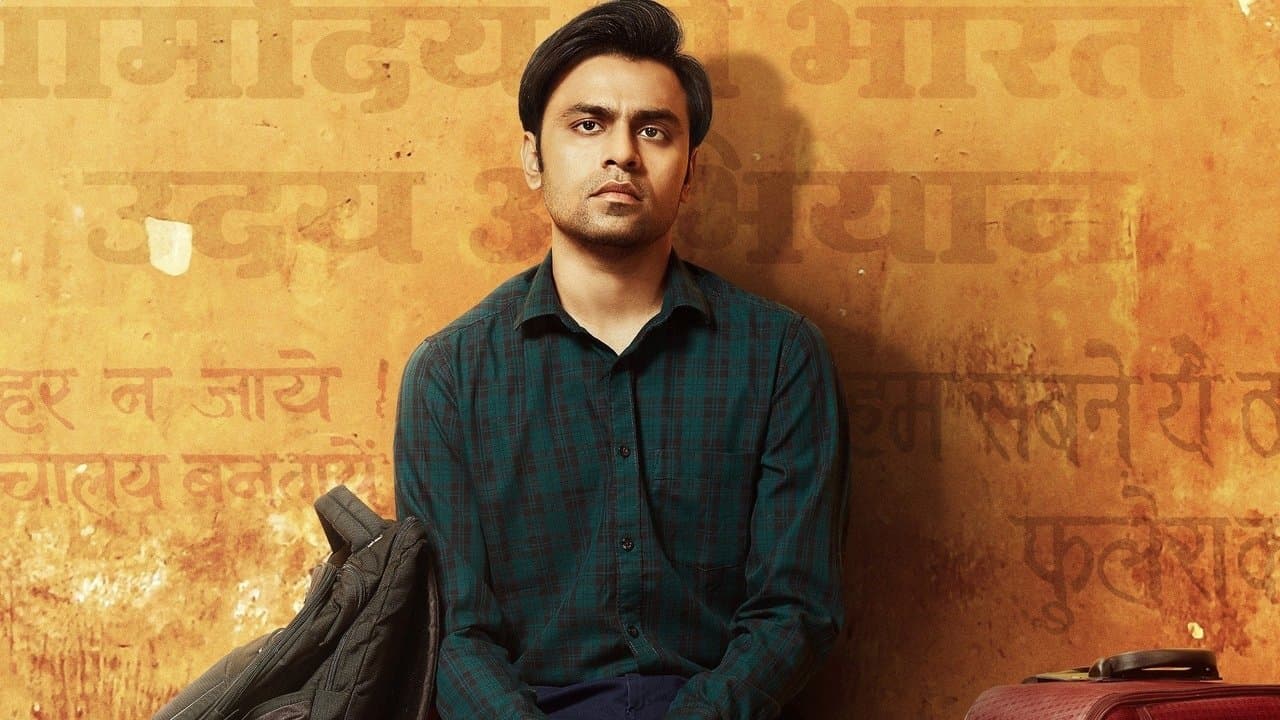
An engineering graduate takes a job he doesn't want — panchayat secretary in Phulera, a village in Uttar Pradesh — because he couldn't get anything better and needs to fund his MBA prep.
Advertisement
That's the premise. There is no larger plot. Episodes are built around a broken solar light, a missing chair, a village dispute over a wall.
What makes it work is that the show treats these as genuinely important, because to the people involved they are. It never looks down at Phulera and it never romanticises it either. The village has real politics, real pettiness and real kindness, usually in the same scene.
📺 Prime Video · 5 seasons · 32 episodes · Status: Returning Series · TMDB rating: 4.1/5
The Cast Is the Whole Show
Jitendra Kumar as Abhishek Tripathi carries it by underplaying constantly. His comedy is reaction — the small exhale of a man realizing he has to deal with something absurd, again. He came from TVF's YouTube sketch background, and that training in economy shows.
Advertisement
Raghubir Yadav as Pradhan-ji and Neena Gupta as Manju Devi are the show's real engine. Gupta's role is quietly the most interesting in Indian streaming — she is the elected Pradhan on paper while her husband does the job, a completely real arrangement in Indian village politics. The series lets her grow into the position rather than making a speech about it.
Then Chandan Roy as Vikas, Faisal Malik as Prahlad, Sanvikaa as Rinki, Durgesh Kumar and Ashok Pathak — an ensemble where nobody is playing a caricature.
Why the Slow Pace Is the Strategy
Streaming logic says hook the viewer in ninety seconds and end every episode on a cliffhanger. Panchayat ignores this entirely.
Episodes end on a joke or a small moment of warmth. Nothing compels you to click next.
And yet people binge it — because the show is genuinely restful. That turns out to be a real gap in the market. Most prestige streaming is stressful by design, and a show that asks nothing of you emotionally while still being well made has almost no competition.
The other thing it gets right is specificity. The Hindi is regional rather than Mumbai-neutral. The bureaucratic detail is accurate. Viewers who grew up in small-town India recognize it, and viewers who didn't find it interesting precisely because it isn't generic.
What It Changed About Indian Streaming
Panchayat's success made a commercial argument that gangster dramas couldn't.
It's cheap to make — one location, no stars on huge fees, no action budget — and it retains viewers across multiple seasons. On a return-per-rupee basis it outperforms far more expensive shows.
It also proved that Indian streaming's audience is not only metros. Small-town and rural India is online, subscribing, and largely underserved by content set in Mumbai and Delhi.
You can see the influence in the slate that followed — more small-town settings, more slice-of-life comedy, less assumption that every show needs a body count.
Should You Watch It?
If you want tension, plot twists or spectacle, this is not that. Nothing much happens, on purpose.
If you want something genuinely warm, well-observed and funny in a way that doesn't strain — start with Season 1, Episode 1. It's a short season and it tells you within twenty minutes whether this is for you.
It also travels well with subtitles. The humour is situational rather than wordplay-dependent, so it doesn't collapse in translation the way a lot of Hindi comedy does.