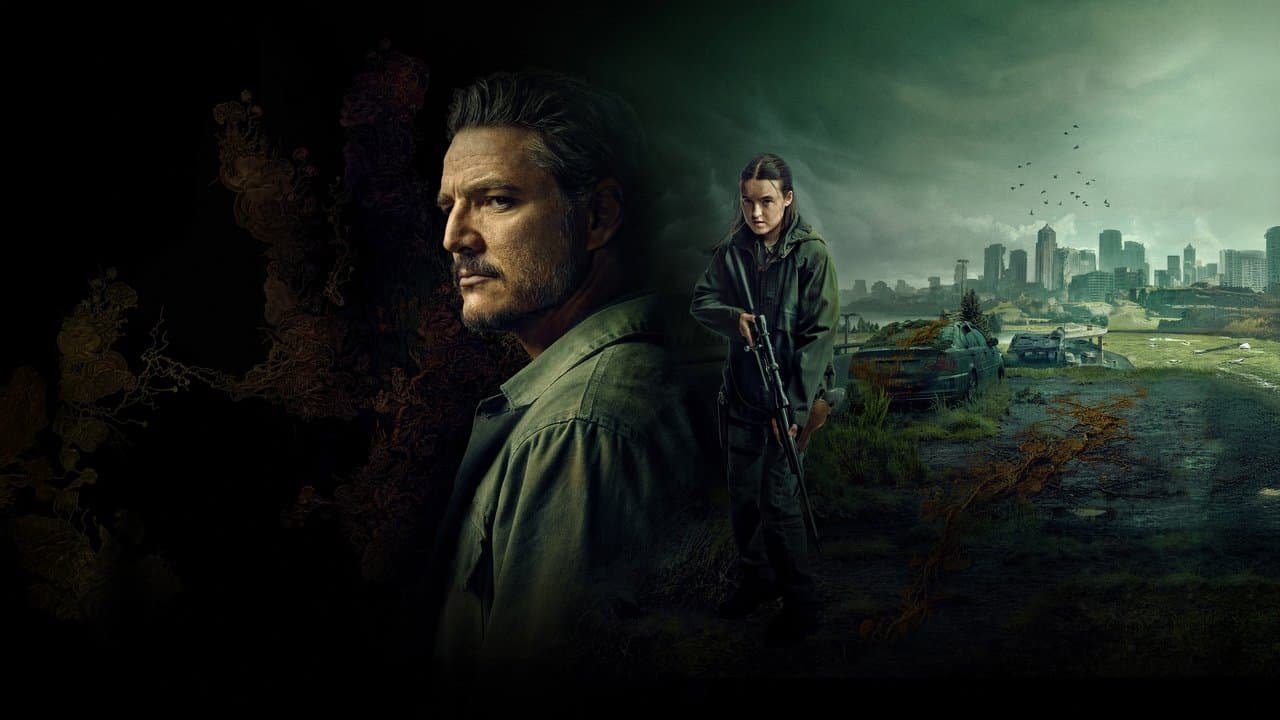
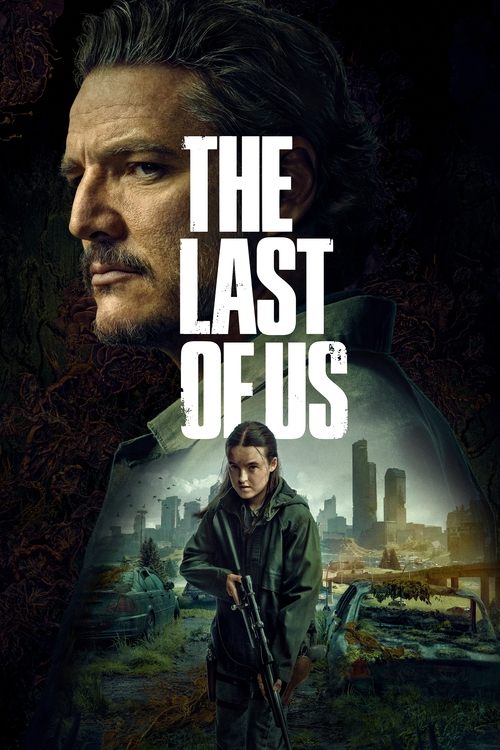
The Last of Us is confirmed as a returning series on HBO, and Season 3 inherits the most difficult stretch of story the franchise has.
Here's what's confirmed, what it has to adapt, and why this is the season that decides how the whole thing is remembered.
Where the Show Stands
Two seasons and 16 episodes have aired, holding a 4.2/5 TMDB rating — strong numbers for an adaptation of a video game, a category with a long history of failure before this show.
Advertisement
Season 1 adapted the original game closely and became the benchmark for how to do this properly. Season 2 moved into far more divisive material, and the reaction split much as the source did.
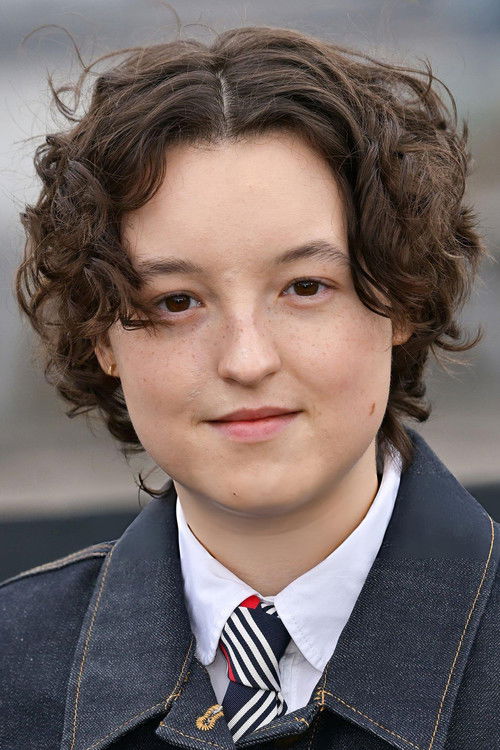
The current listed cast is led by Bella Ramsey, with Gabriel Luna, Isabela Merced and Young Mazino.
That cast listing tells you something on its own about where the story now sits, and who is carrying it.
Bella Ramsey Is Now Carrying the Show
Season 1 was, structurally, a two-hander. Season 3 is Bella Ramsey's show, and the role has changed shape considerably.
Advertisement
Ellie in Season 1 was a teenager whose defense mechanism was jokes. What the character becomes is harder to play — someone whose grief has calcified into something the audience is not always meant to be on board with.
That's the real acting problem here. The story requires viewers to follow a protagonist while increasingly not approving of her, which is a genuinely unusual ask for a prestige drama and the thing most adaptations soften.
Ramsey took significant online abuse over the casting from the outset, most of it about not matching a video game character's appearance, and the performances have steadily made that argument look ridiculous.
Why This Is the Hardest Season
The material Season 3 works through is the most contested in the franchise, and it is contested for structural reasons rather than quality ones.
The story asks the audience to sit with the consequences of revenge rather than the satisfaction of it. It withholds catharsis deliberately. Players of the source material split hard over exactly this, and a television audience is likely to split the same way.
Three specific challenges:
Perspective. The story's structure asks you to spend serious time with people you were positioned against. On screen, that means a long stretch away from the character viewers came for.
Pacing. The source is very long and much of it is deliberately grinding. Television has to compress that without losing the exhaustion the story depends on.
No clean resolution. The ending refuses the payoff a conventional drama would deliver. That's the point, and it will frustrate a portion of the audience regardless of execution.
An adaptation that flinched here would be more likeable and much worse.
What Made the Show Work in the First Place
Worth remembering what the adaptation actually got right, because it's the reason to be optimistic.
It cut gameplay. Video game adaptations usually fail by trying to reproduce the experience of playing — action set pieces that existed for the controller, not the story. This show removed all of it and kept the relationships.
It also expanded material the game only gestured at, using television's freedom to slow down and stay with people the game moved past quickly. That's adaptation as a craft rather than transcription.
📺 Where to watch: HBO / Max · Seasons: 2 · Episodes: 16 · Status: Returning Series
Release Date
No premiere date has been confirmed. HBO has not rushed this show — the gaps between seasons have been substantial, driven by production scale and the schedules of a cast now in heavy demand.
Pedro Pascal, who anchored the early run, has become one of the most in-demand actors working, as our career breakdown covers — he now leads The Fantastic 4: First Steps as well.