Witch Hat Atelier spent years being described as unadaptable. The manga's whole appeal is its drawing — dense, intricate linework that people buy the books to stare at.
The 2026 anime is the test of whether that survives animation. It mostly does.
Detail
Info
Format
Anime series · Season 1
Broadcast
Tokyo MX, BS11 (Japan)
Status
Returning Series
TMDB rating
4.4 / 5
Source
Manga by Kamome Shirahama
What It's About
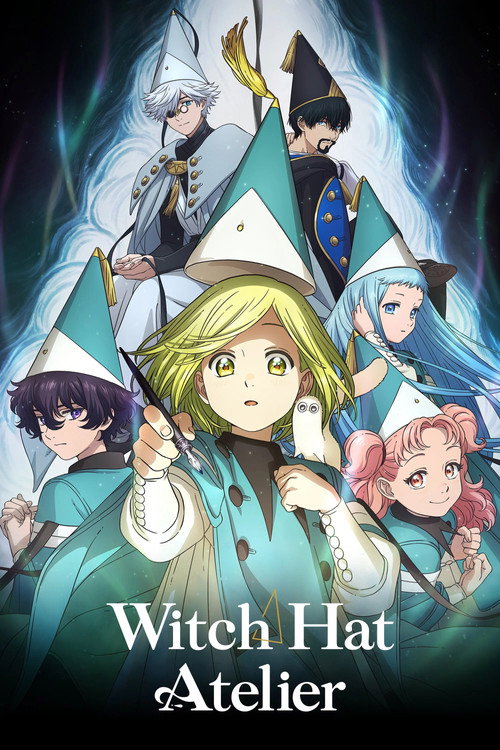
A girl who believes she has no magical ability discovers that magic is not something you are born with. It is something you draw.
Advertisement
That single idea is why the series works. In most fantasy, magic is an inherited talent — you have it or you don't, and the story is about degree. Here it is a craft, learned through practice, with rules and technique and the possibility of doing it badly.
Which means the series is fundamentally about apprenticeship. Learning, failing, and being taught. That's a warmer and more specific engine than most fantasy runs on.
Why the Art Style Is the Point
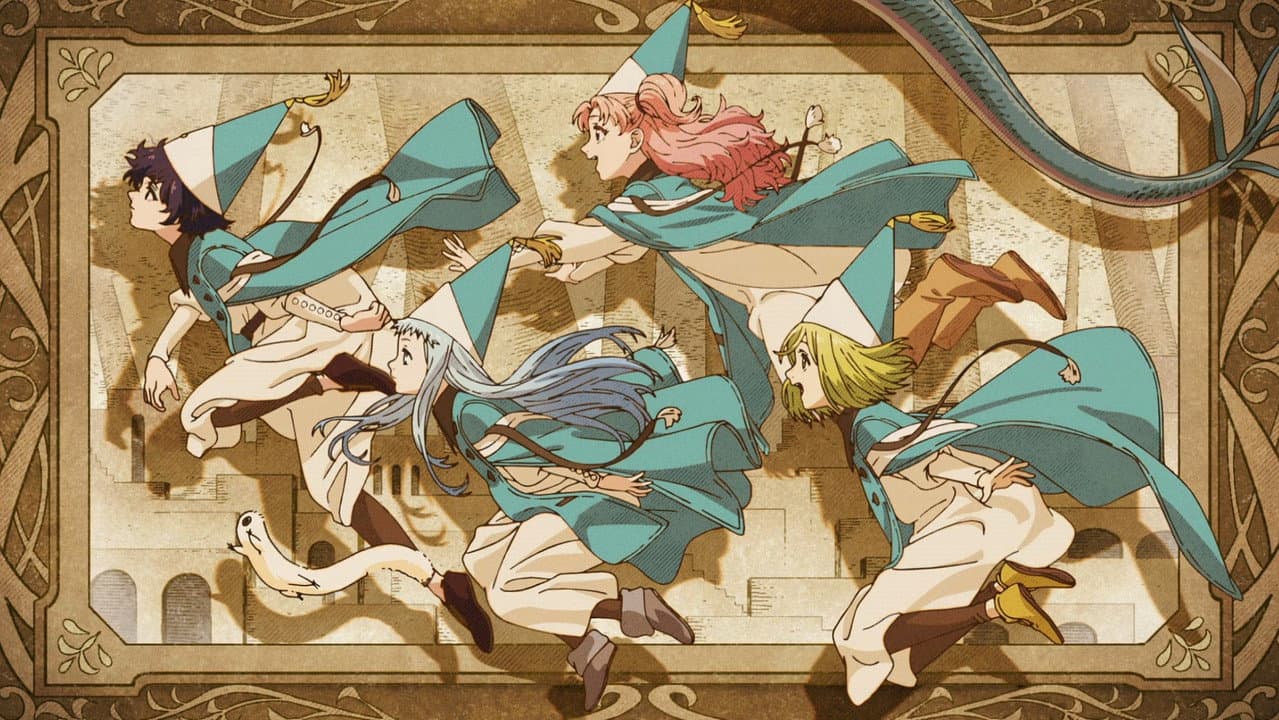
Kamome Shirahama's manga art is closer to European illustration — Art Nouveau, engraving, storybook plates — than to standard manga. The pages are extraordinarily dense.
That is exactly why adapting it looked impossible. Animation requires drawing the same thing thousands of times, and detail that works on a still page becomes financially ruinous in motion.
Advertisement
The adaptation's central problem was therefore not story. It was how much of the linework to keep. Keep too much and the animation stops moving; strip too much and you've lost the reason people love it.
A 4.4/5 rating suggests the balance mostly landed. The honest caveat is that no adaptation of art this specific fully satisfies people who came for the pages — some loss is structural, not a failure of effort.
Why the Magic System Actually Matters
Fantasy audiences argue endlessly about magic systems, and most of that argument is trivia. This one is different because the rules carry the theme.
If magic is drawn, then it can be:
Taught — which makes teachers and students the central relationships
Forged — which makes forgery and misuse a real threat
Restricted — which means someone decides what may be drawn, and that is political
That last one is where the series gets genuinely interesting. A magic system with a governing body and forbidden techniques is a story about institutional control, not just spells.
Who It's For
Straightforwardly: if you like Fullmetal Alchemist's rule-bound magic, or the apprenticeship warmth of Studio Ghibli, this sits between them.
It is not action-forward. The pacing is deliberate and much of the tension comes from craft and consequence rather than fights. If you want combat every episode, this isn't it.
It also skews younger than most currently trending anime without being childish — closer to all-ages fantasy than to shonen.
Where to Watch
The series broadcasts on Tokyo MX and BS11 in Japan. Internationally, current-season anime typically streams on Crunchyroll, which has the most extensive Spring 2026 lineup by a wide margin.
Streaming rights for individual titles vary by region and no single service carries everything, so check your local Crunchyroll and Netflix listings — availability genuinely differs country to country for anime more than any other category.
📺 Status: Returning Series · Season 1 · TMDB 4.4/5
What to Watch For
Whether the animation budget holds. Detail-heavy shows often start strong and degrade. Later episodes are the real test.
How far into the manga it goes. Adaptations that outrun their source tend to stumble.
Whether it stays quiet. The temptation with a second season is to add spectacle the story doesn't need.