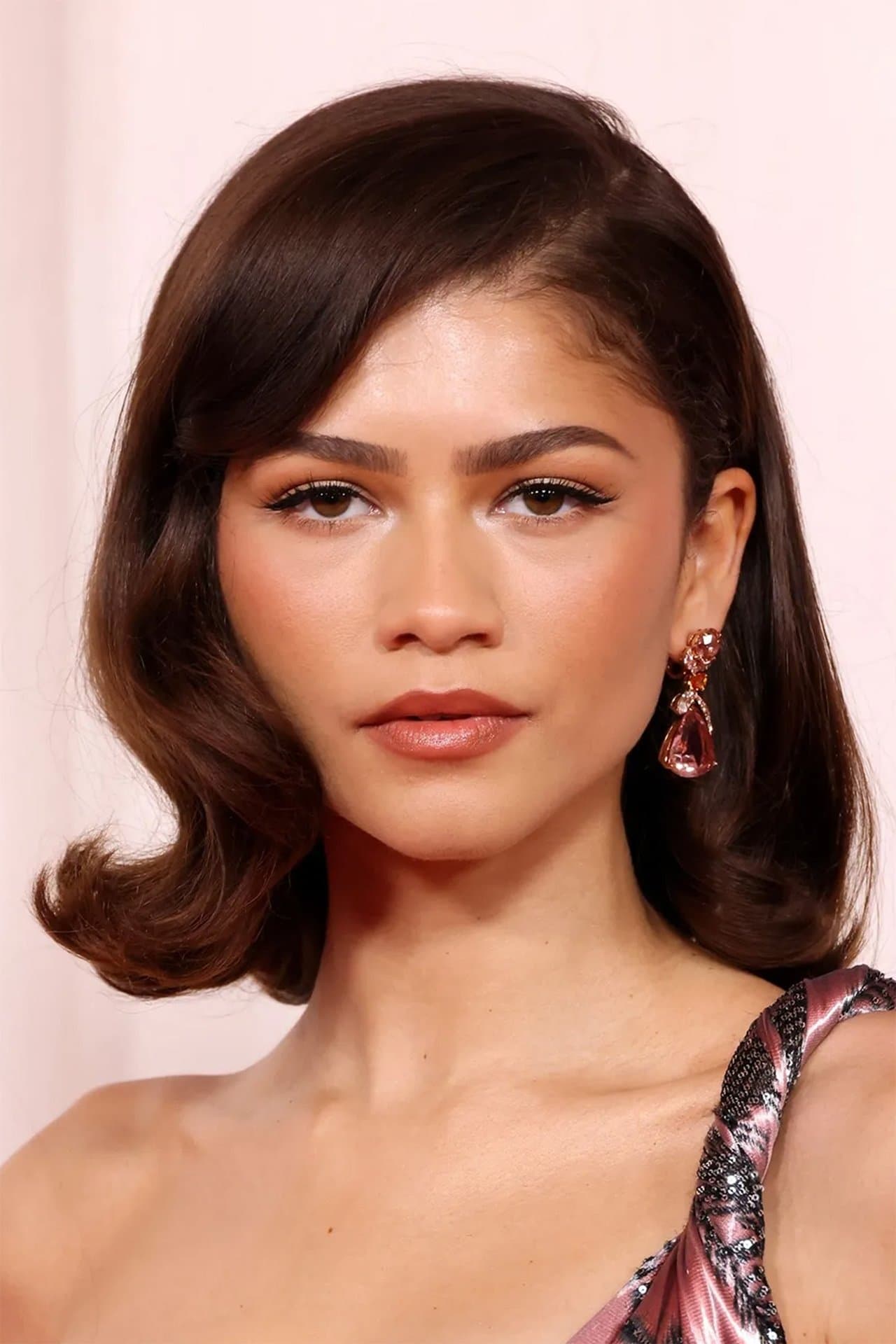
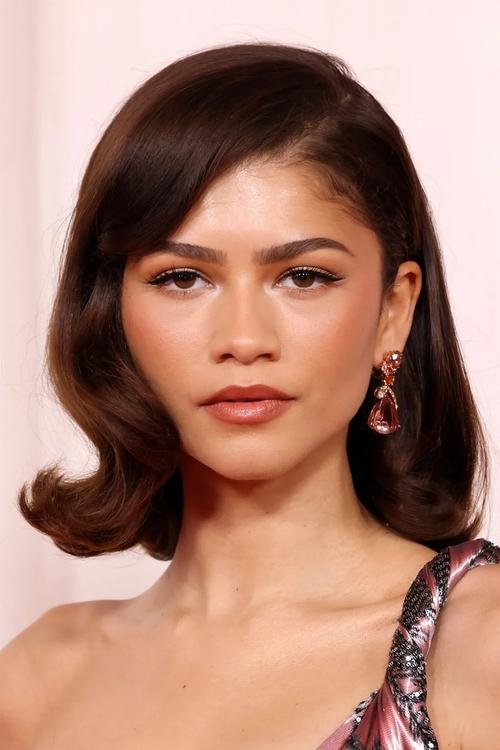
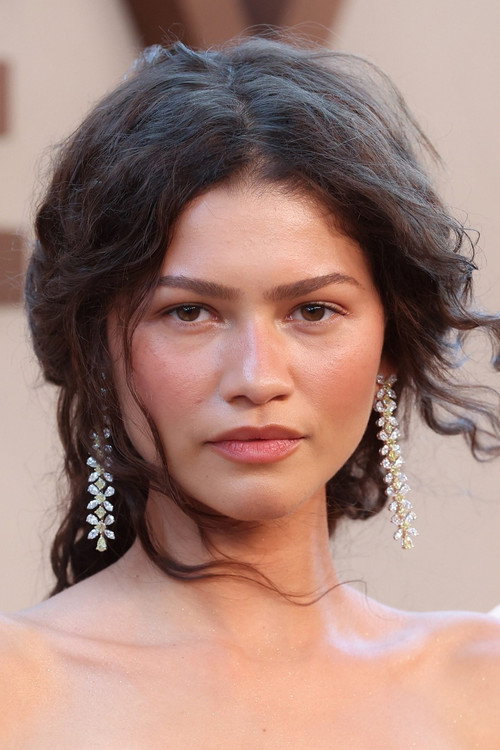
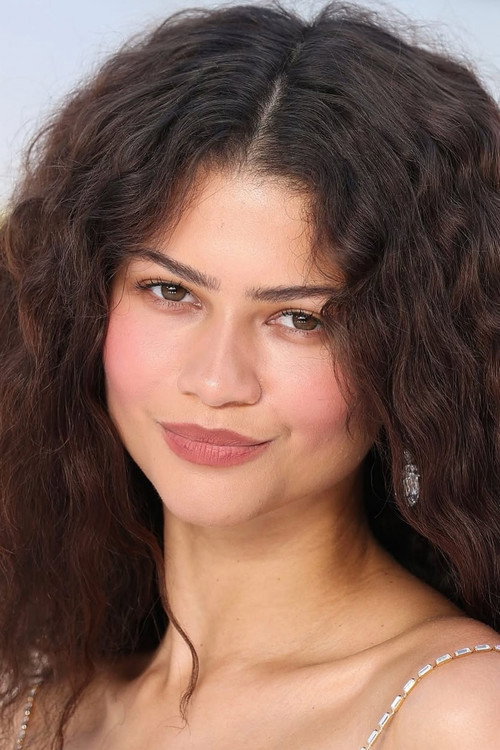
Most actors wear a nice dress to a premiere. Zendaya wears the film.
That's the whole idea behind method dressing — and she and her stylist did it well enough that the term entered the fashion vocabulary. Here's how it actually works.
What Method Dressing Actually Means
The name borrows from method acting, and the logic is the same: instead of dressing as yourself at a premiere, you dress as the world of the film you're promoting.
Advertisement
For a sci-fi epic, that means armour-like silhouettes and metallics. For a tennis film, tennis references worked into couture. For a period drama, historical shapes reinterpreted.
The reason it works is mechanical, not just aesthetic. A photograph of an actor in a beautiful gown is one image among hundreds from that carpet. A photograph of an actor in something that visually *argues* with the film generates a story — and stories get shared, aggregated and written about for days.
Every look becomes free marketing that reaches people who were never going to read a review.
Law Roach Is Half the Story
You cannot discuss Zendaya's fashion without Law Roach, who has styled her since she was a teenager and describes their working relationship as an image architect rather than a stylist.
Advertisement
That distinction is real. A stylist picks clothes for an event. An image architect builds a decade-long visual narrative — deciding not just what she wears at a premiere but what the cumulative body of looks says about who she is.
Their partnership is unusually long by industry standards, and it shows. There's a coherence across years of appearances that most celebrity fashion, styled by rotating teams, simply doesn't have.
Roach has also been openly critical of how the industry treats stylists — the credit, the pay, the assumption that the celebrity did it alone. That candour made him a significant figure in his own right rather than someone working invisibly.
The Archive Fashion Element
The detail that earns genuine respect from fashion people is the archive work.
Rather than only wearing current-season pieces, Zendaya frequently appears in vintage runway looks — specific garments from specific shows, sometimes decades old. Fashion historians recognize them instantly and the references travel.
This matters because it signals knowledge rather than access. Any A-list actor can get a new gown; every house wants the placement. Sourcing a particular archival piece and knowing why it's the right one is a different competence entirely.
It's the same instinct that separates genuine style authority from celebrity endorsement — a distinction our Dua Lipa fashion breakdown covers in a different register.
Why It Changed the Industry
Method dressing is now so widespread that it's begun to attract backlash — which is the clearest possible evidence that it worked.
Look at any major press tour now and you'll see actors in film-referential outfits. Studios factor it into promotional planning. Publicists brief stylists on the film's visual palette.
The criticism is fair enough: when everyone does it, it stops being clever and becomes a costume requirement. Some looks reference the film so literally that they read as fancy dress rather than fashion.
What kept Zendaya's version working longer than most is restraint. The best examples are suggestive rather than literal — a silhouette or a material that evokes the film without spelling it out. That's a harder brief, and it's why imitations often miss.
Beyond the Red Carpet
Born in 1996, Zendaya has been a fixture in fashion since her teens, and the commercial consequences are substantial — long-term luxury house partnerships and a position at major fashion events that most actors never reach.
The value to a brand isn't just her audience. It's credibility. A house associating with someone the fashion press treats as knowledgeable buys something different from a straightforward celebrity placement.