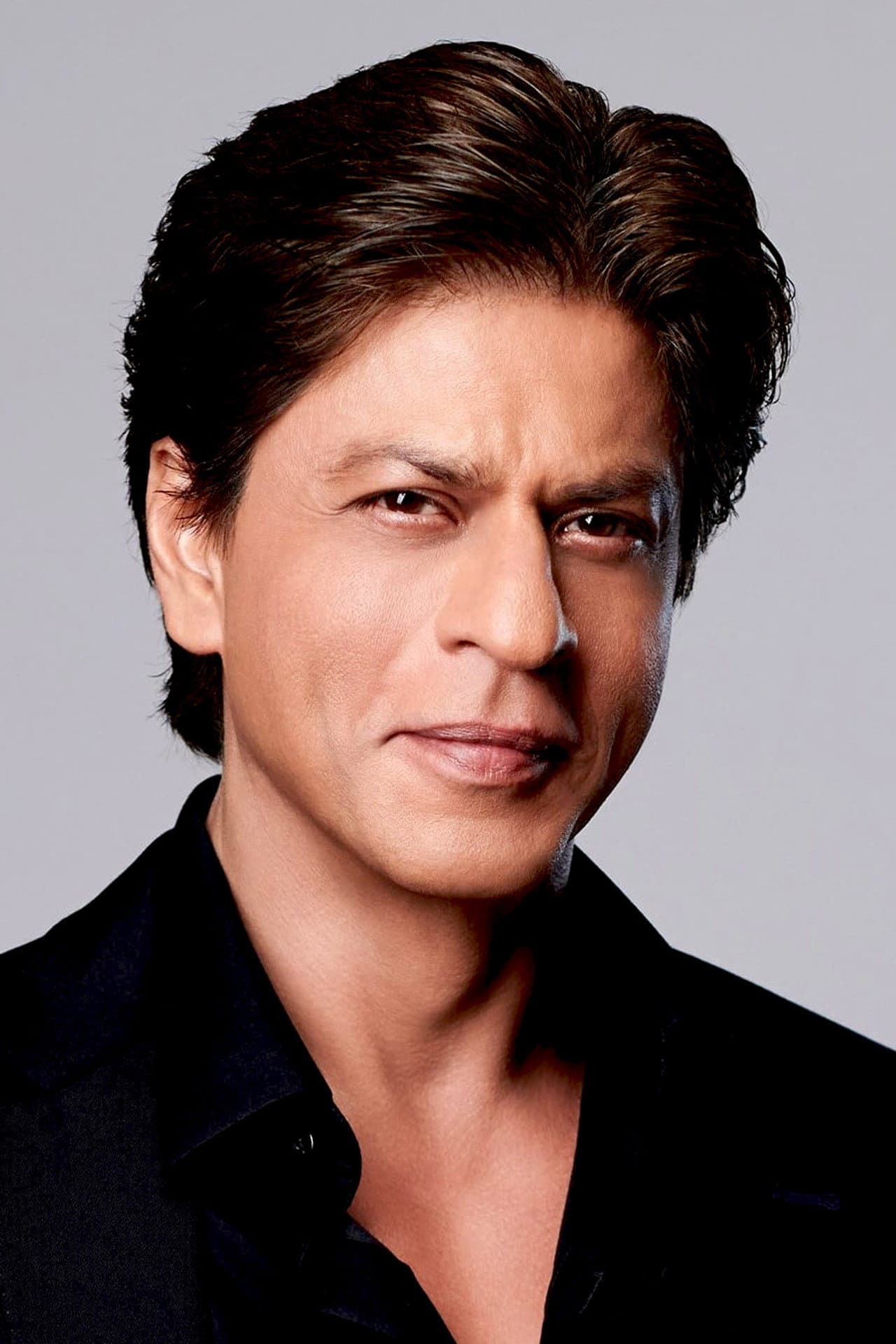
Shah Rukh Khan had no film family, no industry connections and no training in an industry that runs substantially on all three.
He became the most recognisable Indian actor on earth anyway. Here's how.
Delhi, Television, and Arriving With Nothing
Born in New Delhi on 2 November 1965, Khan came up through Delhi theater and television rather than the Mumbai film ecosystem.
Advertisement
That distinction is the whole story. Hindi cinema has always had a strong dynastic element — star children get launched, connections open doors, and outsiders are structurally disadvantaged.
He arrived in Mumbai in the early 1990s with television credits and no leverage. What he had instead was an unusual willingness to take roles nobody established would touch.
The Villain Years That Made Him
Early in his career, Khan played a run of obsessive, genuinely menacing characters — a stalker, a killer, men whose romantic fixation curdles into violence.
In 1990s Bollywood this was close to career suicide. Leading men played heroes. Playing a villain, especially one whose menace came from twisting romance itself, risked permanent typecasting.
Advertisement
It worked precisely because it was risky. Those performances made him impossible to ignore, and they demonstrated range before anyone had decided what he was.
The pivot to romantic lead landed harder because audiences had already seen him be frightening. That contrast is a large part of why his romantic roles carried an edge that his contemporaries' didn't.
DDLJ and the Romance Era
Dilwale Dulhania Le Jayenge (1995) is the film that defines him, and one of the most commercially significant films in Indian history — it ran continuously in a Mumbai cinema for decades, a record no other film approaches.
What followed was a run of romantic films that fixed his screen persona: the open-armed pose, the emotional availability, the willingness to be vulnerable on screen in an industry that mostly rewarded stoicism.
That last part is underrated. His characters cry, plead and lose. For a generation of viewers, particularly across the Indian diaspora, he became the template for how a romantic lead could behave.
The diaspora point is commercially crucial. His films performed enormously in the UK, US, Gulf states and beyond, and he was among the first Indian stars whose overseas box office was a serious part of the calculation.
Red Chillies and Building the Business
The move that separated him from other stars of his generation was Red Chillies Entertainment — his own production house, with an in-house visual effects division.
Producing meant participating in the upside rather than collecting a fee. The VFX arm meant owning infrastructure the entire industry needs, which generates revenue regardless of whether his own films work.
He also co-owns an IPL cricket franchise, which in India is closer to owning a media property than a sports team.
The pattern is the same one our Deepika Padukone profile traces and that Sydney Sweeney is running in Hollywood: convert fame into equity while the fame is at its peak, because fees stop and ownership doesn't.
The 2020s Comeback
After a stretch of films that underperformed, Khan took an extended break — long enough that commentary began treating his commercial peak as finished.
His return was one of the more emphatic comebacks in Indian film history, with multiple releases performing at a scale that reset expectations for what Hindi cinema could earn.
Reportedly the break was partly deliberate — waiting for material worth returning with rather than working continuously. Whatever the reasoning, the effect was that his return became an event rather than a routine release.
For an actor in his late fifties in an industry that discards leading men early, that is a genuinely unusual position to reach.
Why He Still Matters
Beyond the box office, Khan occupies a specific cultural position: an outsider who beat a dynastic system, and a Muslim superstar whose stardom has been broadly unifying in a country where that is not guaranteed.
His success is also the strongest available argument against the industry's nepotism — not because it proves outsiders can win, but because it shows how exceptional you have to be to manage it.
Watch for how he handles the transition to character roles, and how much of Red Chillies' output he moves behind the camera. Both will shape what the next decade looks like.