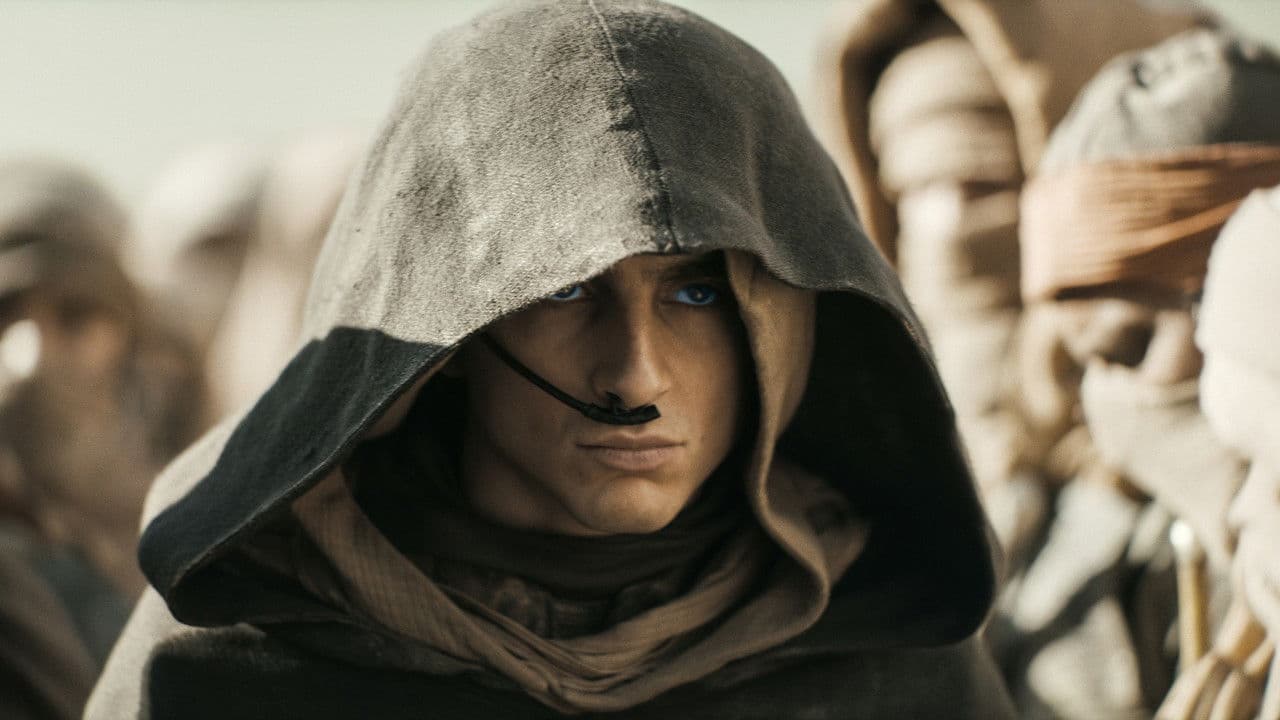
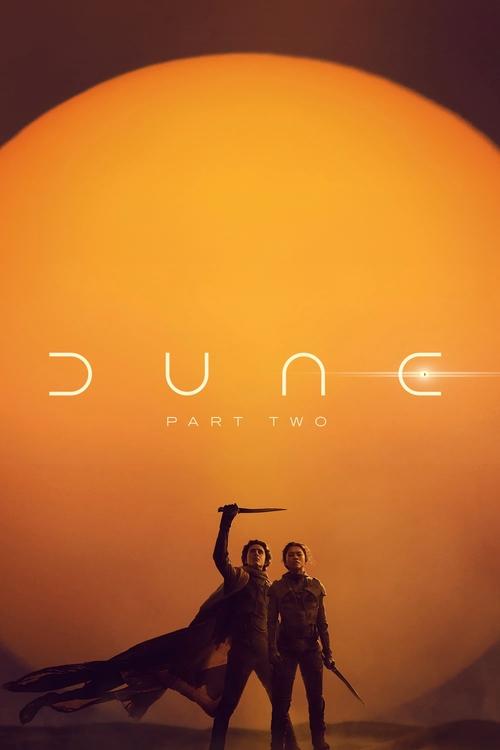
A lot of people walked out of Dune: Part Two thinking they'd watched a hero win. That reading is exactly what the film is built to complicate — and the final shot exists specifically to tell you so.
Here's what happens, what it means, and why Chani is the most important character in the last ten minutes.
Advertisement
What Happened in the Final Act
Facing the destruction of the northern Fremen and an unwinnable position, Paul Atreides drinks the Water of Life — a poison lethal to men, survivable only by the Kwisatz Haderach.
He survives. And what emerges is not the same person. He gains full prescience — past, present and every branching future simultaneously — and with it, the certainty that the path he is about to take leads to billions of deaths.
He takes it anyway.
He addresses the southern Fremen fundamentalists, who have been primed for centuries to accept a messiah. He calls out the Reverend Mother's manipulations while using the belief she engineered. He wins them completely.
Advertisement
Then: the atomics against the Shield Wall, the Fremen assault, the Emperor captured, Feyd-Rautha killed in single combat, and Paul demanding Princess Irulan's hand to claim the throne legally.
The Great Houses in orbit refuse to recognize him. Paul orders the Fremen to attack them. Holy war begins.
What It Actually Means
This is where most readings go wrong. The film is not a triumph — it's a horror story about how one gets manufactured.
Three things happen at once in that final act, and they only work together:
The prophecy was fake. The Bene Gesserit's Missionaria Protectiva seeded messiah myths on planets across the galaxy centuries in advance, so that any Bene Gesserit-trained person could arrive later and be received as a saviour. The Fremen belief is not a coincidence Paul stumbled into. It is a tool built for exactly this.
Paul knows it's fake and uses it anyway. He is explicit about the manipulation and exploits it in the same speech. That's not a hero accepting destiny — it's a man choosing power while fully informed of the cost.
He has seen the consequences. Prescience means the billions who die in his name are not an accident he couldn't foresee. He watched it happen and proceeded.
Frank Herbert wrote a sequel novel largely because readers kept treating Paul as a hero despite all of this. Villeneuve's film pushes harder than the book to make the warning unmissable.
Chani Walking Away Is the Point
The single biggest change from Herbert's novel is Chani's ending, and it's the film's smartest decision.
In the book, Chani largely accepts her role. In the film she refuses. She is the northern Fremen skeptic who never bought the prophecy, who loved Paul as a person rather than a messiah, and who watches him become the thing she warned him about.
When he takes Irulan for political advantage, she leaves — the final shot is Chani alone, summoning a sandworm, riding away from the war being launched in her lover's name.
Structurally, she is the audience's proxy. Villeneuve needed someone on screen refusing to cheer, because without her the spectacle would overwhelm the argument. Her face during Paul's speech is the film telling you how to feel about what you're watching.
The Detail You Might Have Missed
Alia. Lady Jessica drinks the Water of Life while pregnant, which awakens her unborn daughter in the womb — a fully conscious being with ancestral memory before birth. Her brief appearance as an adult in Paul's vision is not a dream sequence; it's prescience showing a real future.
Jessica's transformation. Watch how completely she converts to the fundamentalist cause after becoming Reverend Mother. She stops being Paul's mother and becomes the prophecy's chief propagandist, actively engineering belief in the south.
The Emperor's guilt. He admits he destroyed House Atreides because Duke Leto was becoming too popular — a leader men would follow. The film's whole thesis about charisma as a weapon is stated out loud, briefly, and easy to miss.
What It Sets Up for Part Three
The confirmed premise for Dune: Part Three follows directly: as Emperor, Paul grapples with the consequences of his rise as political conspiracies and a galaxy-spanning holy war threaten everything.
Three threads carry over:
The holy war itself. Paul saw it, tried to avoid it, and started it. Part Three is about living inside that failure.
Chani's absence. She left. Whether and how she returns is the film's biggest emotional question.
Everyone wants Paul gone. The Great Houses, the Bene Gesserit and the Spacing Guild all have reason to remove him.
⭐ IMDb: 8.4 · Director: Denis Villeneuve · Where to watch: HBO Max (US listings)
For everything confirmed about the next film, see our Dune: Part Three breakdown. Need to rewatch first? Our where to watch guide covers platforms and what's actually worth revisiting.
Did you read the ending as a victory or a warning? Let us know in the comments.