If you stopped following the MCU after Endgame and now can't work out what's going on, you're not alone. Here's the Multiverse Saga explained without the jargon.
What the Multiverse Saga Actually Is
The MCU tells long stories across multiple films, grouped into Phases, and grouped again into Sagas.
Phases 1 to 3 were the Infinity Saga — 23 films building to Thanos and the Infinity Stones, concluding with Endgame. That's the one everybody knows.
Advertisement
Phases 4, 5 and 6 are the Multiverse Saga. Instead of one villain chasing six magic rocks, the through-line is the collapse of the barriers between universes.
Same structure, different threat. Where the Infinity Saga asked can we stop Thanos, this one asks what happens when reality stops being singular.
The Three Rules You Need
Almost everything in this saga runs on three ideas.
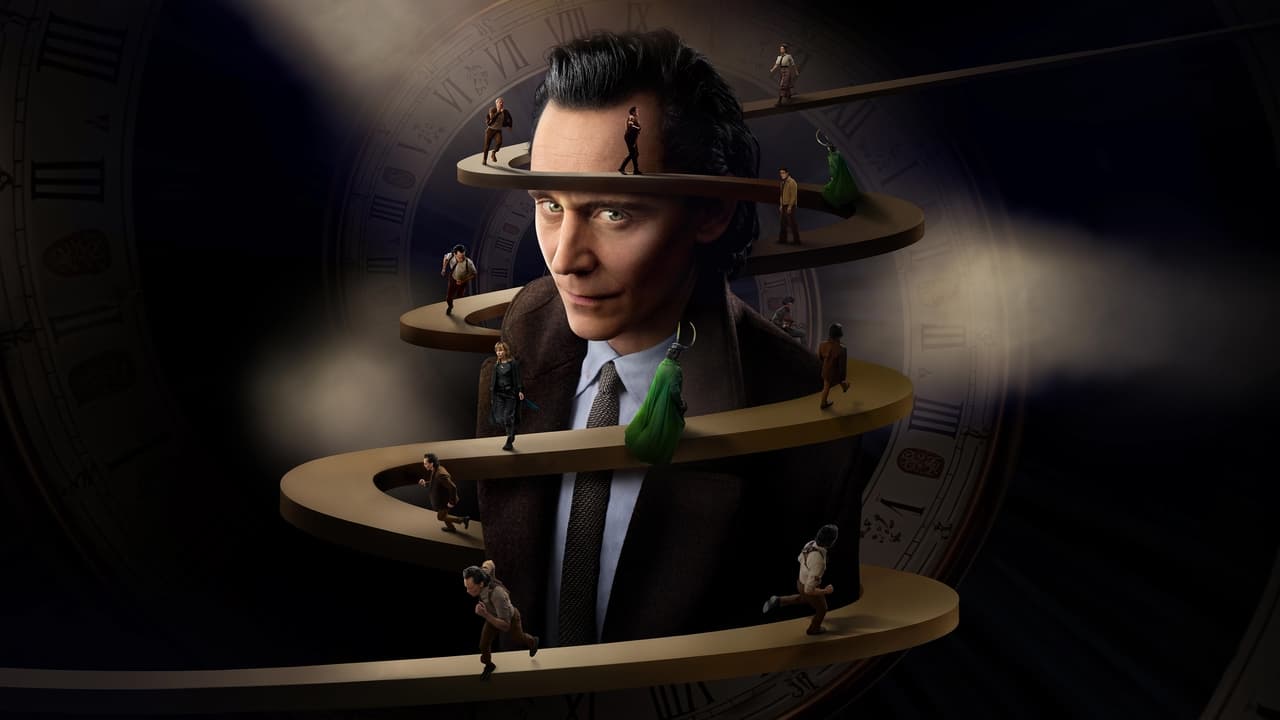
1. The Sacred Timeline. The MCU was one branch of an infinite multiverse, kept singular by an organization called the Time Variance Authority, which pruned any timeline that deviated. Introduced in Loki.
Advertisement
2. The multiverse is now open. The Loki Season 1 finale ended the pruning. Timelines began branching freely. This is the inciting incident for the entire saga.
3. Incursions. When two universes collide, both are destroyed. This is the actual stakes mechanism — it's why a multiverse story is a threat rather than just a device for cameos.
Understand those three and you can follow anything in this saga.
Which Films and Shows Actually Matter
Marvel released a lot in Phases 4 and 5, and much of it is optional. The load-bearing entries:
Loki (Disney+) — the most important. Creates the multiverse and explains the rules.
Spider-Man: No Way Home — first major demonstration of universes bleeding together, and still the best emotional use of the concept.
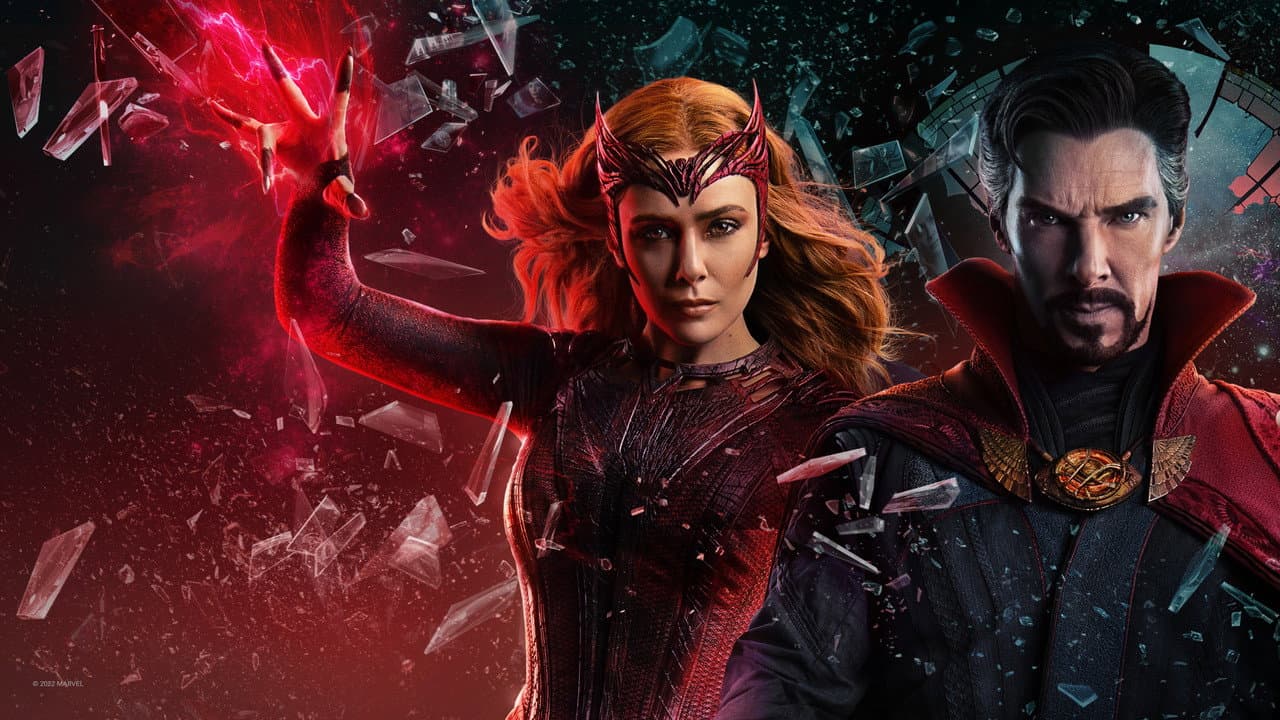
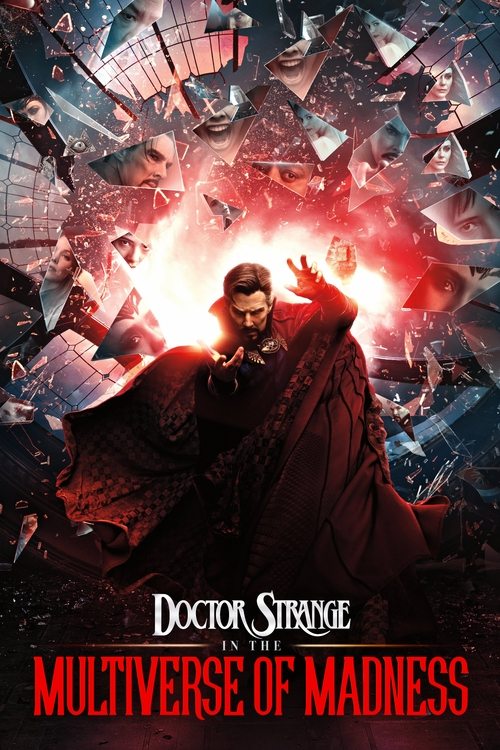
Doctor Strange in the Multiverse of Madness — establishes universe-hopping and introduces incursions directly.
Deadpool & Wolverine — deals with the Fox X-Men universe and how those characters coexist with the MCU.
Genuinely optional for following the main plot: most of the standalone Disney+ character shows. They're worth watching on their own merits, but they don't carry the multiverse thread.
This is, fairly, one of the saga's problems. The Infinity Saga was 23 films and you could follow it by watching the films. This one spread the essential material across films and television, which is a bigger ask.
Where Avengers: Doomsday Fits
Avengers: Doomsday is the payoff film — the Multiverse Saga's equivalent of Infinity War.
The threat is Doctor Doom, and the structural idea is universes colliding rather than one villain collecting artefacts. The reported return of legacy casts from other Marvel universes is a direct consequence of the rules above: if the multiverse is open, other studios' Marvel films can simply be other universes.
That's the elegance of the whole framework. Twenty years of Marvel films made by different studios can be folded into one story without contradicting anything.
Is the Multiverse Saga Working?
Honestly — the reception has been more mixed than the Infinity Saga, and it's worth saying why rather than pretending otherwise.
The Infinity Saga worked partly through scarcity. Two or three films a year, each one an event. Phase 4 released far more content across more platforms, and the sense of occasion diluted.
There's also a coherence problem. Thanos was introduced early and appeared throughout. The Multiverse Saga's central antagonist plan changed mid-stream for reasons outside the story, and the connective tissue got thinner as a result.
Doomsday is the film that has to pull it together. Marvel has done this before — the mid-phase films of the Infinity Saga were also criticized until Infinity War retroactively justified them.
The Fastest Way to Catch Up
If you want the minimum viable preparation:
Loki, both seasons — or at minimum Season 1 Episode 1 and both finales
Spider-Man: No Way Home
Doctor Strange in the Multiverse of Madness
Deadpool & Wolverine
That's roughly 12 hours and covers everything structural.